
בין השמשות(2010)
About בין השמשות
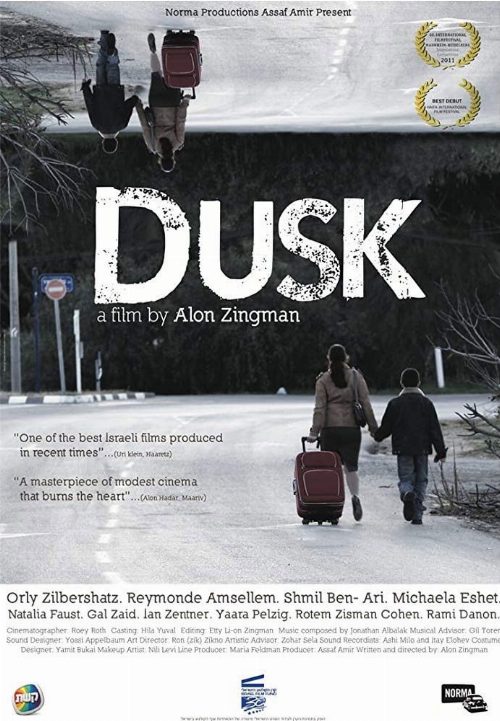
Dusk presents several interlinked stories of Israeli reality, all occurring on the same day and all dealing with a crucial moment in the relationship between parents and children.
Alon Zingman crafts an intimate tapestry of human connection in his 2010 ensemble drama Dusk, a film that captures the delicate tension simmering beneath the surface of everyday life. By focusing on the intricate dynamics between parents and their offspring, the narrative navigates the weight of expectation and the quiet desperation that often defines familial bonds. While Indian cinema frequently explores multi-generational conflicts through large-scale emotional spectacles, this Israeli production opts for a restrained, observational approach, stripping away artifice to examine the universal friction of domestic existence. The film serves as a poignant reminder that the most significant transformations in our lives often occur in the transition between light and dark, during the brief, liminal hours when reality feels most malleable.
The strength of this work lies in its structural ambition, weaving together separate lives that intersect within the span of a single twenty-four-hour period. For viewers accustomed to the high-octane storytelling of contemporary Tamil or Telugu dramas, this film offers a refreshing shift toward character-driven minimalism. It invites the audience into the living rooms and personal struggles of its protagonists, placing a heavy burden on the performances of Reymonde Amsallem and Orly Zilberschatz to convey profound emotional arcs without resorting to melodrama. By anchoring these disparate tales in a shared temporal frame, the director builds a sense of mounting urgency that feels both specific to its cultural setting and remarkably relatable to anyone who has navigated the complexities of raising a family or seeking independence from one.
This project stands out as a compelling entry for those who appreciate world cinema that prioritizes psychological depth over plot-heavy twists. It is particularly well-suited for enthusiasts of global independent film who enjoy seeing how different cultures approach the perennial struggle of bridging the generation gap. Alon Zingman demonstrates a keen eye for the quiet nuances of the human experience, ensuring that even the most fleeting interactions carry the weight of long-held secrets. Rather than offering easy resolutions, the film challenges its audience to reflect on the nature of forgiveness and the fragility of our closest ties. It remains a sophisticated study of how we communicate, or fail to communicate, with the people who define our origins, making it a thoughtful addition to any serious cinephile's watchlist.