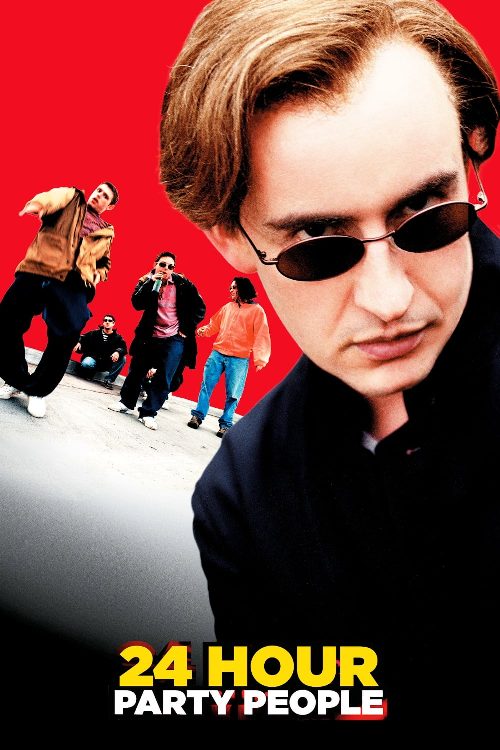
24 Hour Party People(2002)
About 24 Hour Party People
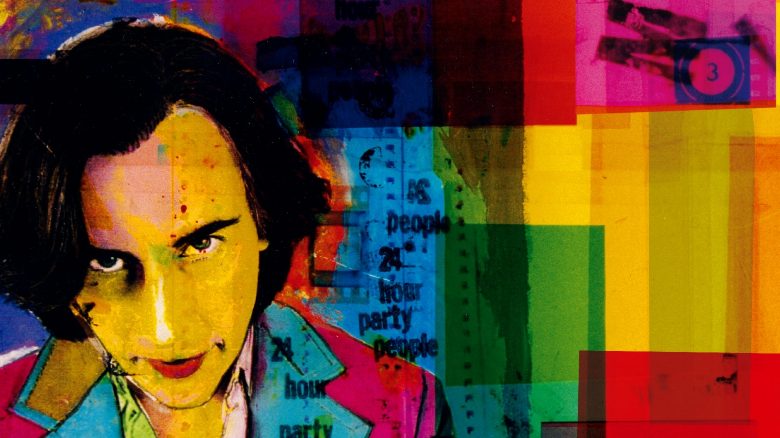
Manchester, 1976. Tony Wilson is an ambitious but frustrated local TV news reporter looking for a way to make his mark. After witnessing a life-changing concert by a band known as the Sex Pistols, he persuades his station to televise one of their performances, and soon Manchester's punk groups are clamoring for him to manage them. Riding the wave of a musical revolution, Wilson and his friends create the legendary Factory Records label and The Hacienda club.
Stepping into the chaotic neon glow of the late seventies Manchester music scene, 24 Hour Party People serves as a kinetic tribute to the individuals who turned a post-industrial city into a global cultural epicenter. While many films about the music industry tend to focus on the polished rise of superstars, this feature chooses a different path by centering on the eccentric visionary Tony Wilson. His journey from a conventional television journalist to the catalyst for a sonic revolution captures the essence of a movement driven as much by sheer audacity and artistic idealism as by any actual business acumen. By breaking the fourth wall, the narrative invites the audience to treat history not as a rigid textbook account, but as a vibrant, unreliable, and deeply personal recollection of a time when the rules of youth culture were being rewritten in real time.
For fans of Indian cinema who appreciate the raw energy of cult classics or the rise of independent music movements in regional hubs like Chennai or Bengaluru, this film will resonate through its depiction of how local hubs can influence the world stage. It mirrors the spirit of creative insurgency often seen in the Malayalam or indie Hindi film circuit, where the passion of the creators frequently outweighs the commercial viability of their projects. The film excels in portraying the messy, often hilarious intersection of art and commerce, making it a perfect watch for viewers who enjoy character-driven dramas that refuse to take themselves too seriously despite the weight of their legacy. It is less about the technical mechanics of the music industry and more about the infectious belief that anyone with a microphone and a rebellious streak can change the cultural landscape.
The film remains a definitive touchstone for those interested in the birth of post-punk and the dance music explosion that followed. It manages to balance the stark, gray aesthetics of its setting with the vibrant personality of its eccentric cast, led by a performance that captures the frantic energy of a man who was always five steps ahead of his own reality. By focusing on the Factory Records era, the story highlights the inevitable failure that often accompanies such grand, unconventional experiments, yet it does so with a sense of triumph. It is a quintessential piece for anyone who has ever romanticized the idea of starting a movement from a garage or a local pub, serving as both an ode to the dreamers and a cautionary tale about the high cost of living life at full volume.
Cast(65)