About 24 Hours to D-Day
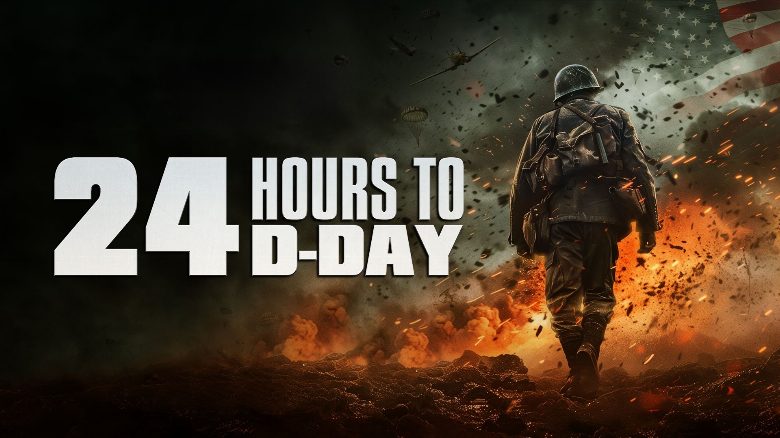
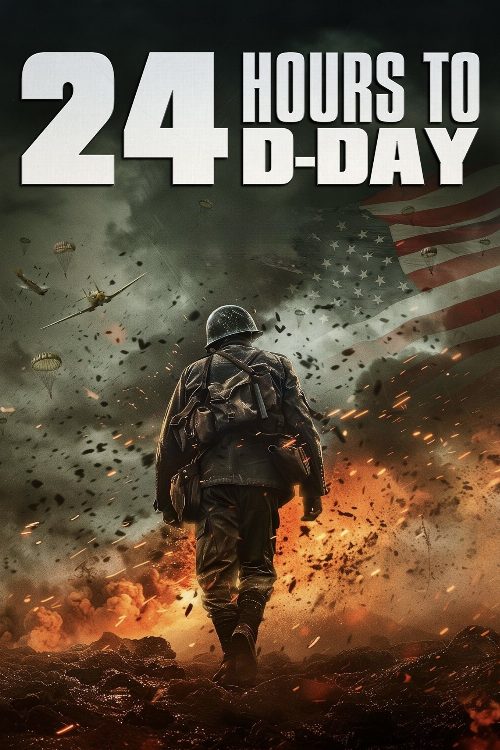
Just hours before the D-Day invasion of Normandy, a team of American Special Forces parachutes into German-occupied France. Their mission: avoid capture and activate critical drop zone beacons to guide the 101st Airborne’s assault.
Tension hangs heavy in the air as Monroe Robertson turns his lens toward the high stakes of the European theater in 24 Hours to D-Day. While modern audiences are accustomed to the sprawling, large-scale spectacles that often define World War II cinema, this production chooses a more intimate and frantic path. By focusing on a specialized unit tasked with a singular, time-sensitive objective behind enemy lines, the film taps into the visceral anxiety of clandestine operations rather than relying solely on the thunder of artillery. The narrative structure thrives on the ticking clock, forcing the audience to experience the claustrophobia of a hostile environment where every rustle in the dark could signal an immediate end to the mission.
The presence of veteran performer Eric Roberts adds a layer of gravitas to the ensemble, grounding the younger cast in a gritty, realistic portrayal of soldiers who know that their survival is secondary to the strategic necessity of their assignment. For viewers who appreciate the tactical precision found in historical thrillers or those who enjoy the character-driven intensity of wartime dramas, this film offers a refreshing departure from standard combat epics. It is positioned as a lean, suspenseful experience that prioritizes strategic maneuvering and the psychological toll of operating in deep cover over excessive pyrotechnics.
This project reflects a growing interest in independent, mid-budget war narratives that seek to humanize the individual gears turning within the machinery of global conflict. Robertson demonstrates a commitment to building atmosphere through isolation and shadow, a stylistic choice that helps the film stand apart in a crowded genre. Fans of intense military dramas will likely find the pacing and the focus on the logistical hurdles of the Normandy drop to be a compelling look at the unsung heroes whose silent efforts paved the way for the massive airborne assault that followed. By narrowing the scope to a single night of desperate maneuvers, the filmmakers have crafted a story that feels both historically grounded and narratively immediate, ensuring that the audience remains anchored to the perilous journey of these paratroopers from the opening sequence to the final, uncertain moments of their trek.