28 Days Later(2002)
“The days are numbered.”
About 28 Days Later
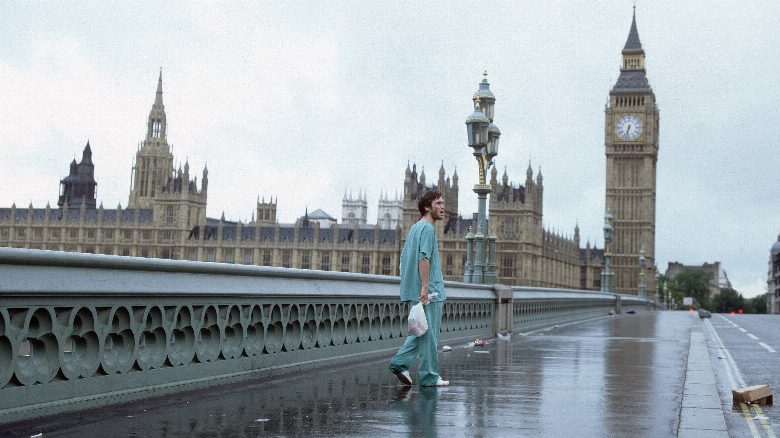
Twenty-eight days after a killer virus was accidentally unleashed from a British research facility, a small group of London survivors are caught in a desperate struggle to protect themselves from the infected. Carried by animals and humans, the virus turns those it infects into homicidal maniacs -- and it's absolutely impossible to contain.
Danny Boyle's 2002 genre-defining film, 28 Days Later, plunged audiences into a terrifyingly desolate London, reimagining the zombie narrative with a ferocity and realism that resonated deeply. This English-language horror thriller stands out for its raw, visceral portrayal of a post-apocalyptic world, stripping away the supernatural elements often associated with the undead to present a plague that is horrifyingly grounded in biological possibility. The film opens on a truly unsettling premise: a devastating rage-inducing virus, originating from a British research facility, has decimated society in just under a month. What remains is a stark, deserted urban landscape, where the few uninfected survivors must navigate a world overrun not by shambling ghouls, but by rapidly aggressive, infected humans driven by an insatiable, murderous fury. This shift from slow-moving zombies to fast, relentless threats was a game-changer, influencing countless subsequent horror productions and cementing its place as a pivotal work in modern horror cinema.
The cultural impact of 28 Days Later extends beyond its immediate genre, prompting discussions about societal collapse, human nature under duress, and the thin veneer of civilization. Unlike many horror films that rely on jump scares, Boyle's film builds a pervasive sense of dread through its stark visuals, unsettling score, and the sheer desperation of its characters. Viewers who appreciate intelligent, character-driven thrillers with a strong undercurrent of social commentary will find themselves captivated. Fans of films like Children of Men or even the dystopian elements seen in some contemporary Malayalam thrillers will likely connect with its bleak yet compelling vision. The film's aesthetic, shot partly on digital video, gave it a gritty, documentary-like feel that intensified its realism, a stylistic choice that felt revolutionary at the time and contributed significantly to its enduring legacy.
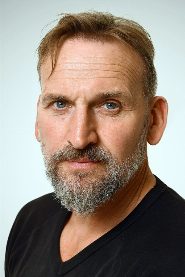
At its core, 28 Days Later is a story of survival, but also one that explores the moral compromises forced upon individuals when all societal structures crumble. The ensemble cast, featuring notable performances from actors like Christopher Eccleston, grounds the harrowing narrative with a compelling human element. Boyle, known for his diverse filmography including Trainspotting and Slumdog Millionaire, brings his signature kinetic energy and unflinching gaze to this bleak subject matter. His direction transforms what could have been a standard monster movie into a terrifying exploration of humanity's fragility and resilience. This film is essential viewing for anyone interested in the evolution of the horror genre, offering a masterclass in tension building and a stark reminder that sometimes, the greatest monsters are those that look just like us.
Cast(22)