About 400 Days
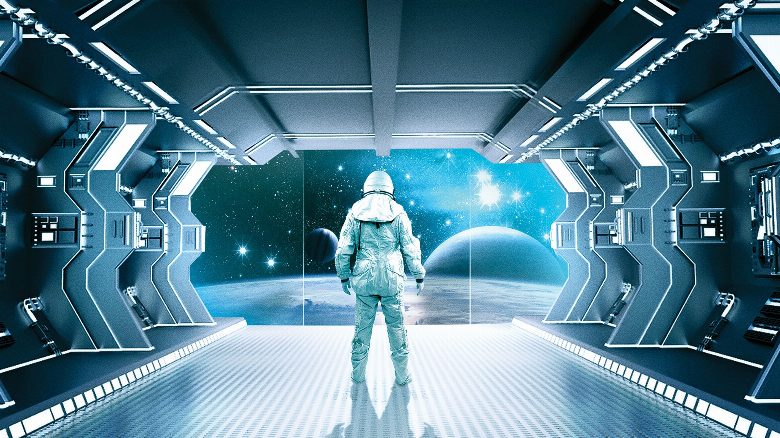
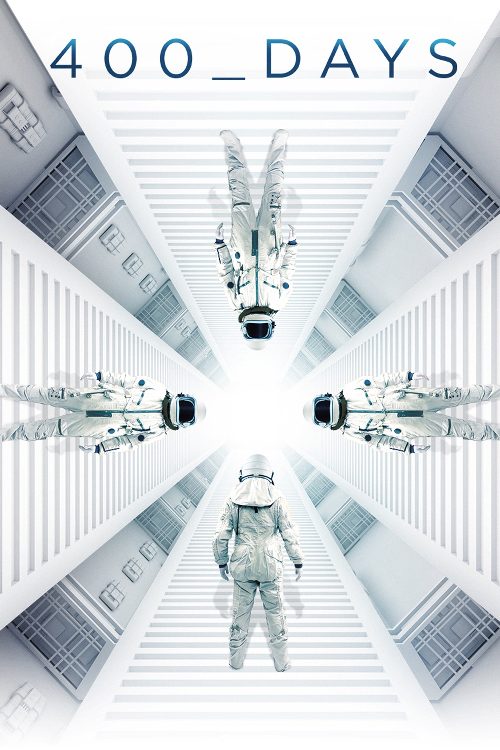
4 would be astronauts spend 400 days in a land locked space simulator to test the psychological effects of deep space travel but, when something goes terribly wrong and they are forced to leave the simulation, they discover that everything on earth has changed. Is this real or is the simulation on a higher level than they could have ever imagined?
Isolation remains one of the most compelling frontiers in science fiction, and 400 Days taps into this claustrophobic anxiety with a premise that echoes the psychological intensity found in contemporary international thrillers. While the Indian film industry has recently made significant strides in high-concept speculative storytelling, this 2015 production serves as a fascinating precursor to the kind of mind-bending narratives that global audiences are now increasingly drawn to. The film centers on a quartet of individuals tasked with enduring a prolonged period of confinement within a mock spacecraft. This setup is a classic trope, yet the narrative quickly pivots away from traditional survival stakes toward a profound existential crisis, questioning the very nature of reality once the mission parameters are breached.
The strength of the film lies in its ability to anchor its cosmic uncertainty within a grounded, gritty aesthetic. For viewers who appreciate the slow-burn tension of psychological dramas or the cerebral puzzles often found in independent genre cinema, this story offers a bleak yet absorbing journey. It avoids the bombastic tropes of large-scale space operas, opting instead to focus on the fraying nerves of its cast. By keeping the scope intimate, the film forces the audience to navigate the same paranoia as the protagonists, leaving them to wonder if the shifting landscape outside their bunker is a genuine transformation or merely another layer of a sophisticated experiment. It is a quintessential watch for those who enjoy questioning the reliability of the narrator and the stability of their own surroundings.
The performances elevate what could have been a standard genre exercise, providing a sense of gravitas that keeps the mystery engaging throughout the duration. Fans of television science fiction will likely recognize several faces in the ensemble, as the cast brings a familiar, veteran presence to the roles of these beleaguered subjects. The direction maintains a steady, oppressive atmosphere that mirrors the physical and mental toll of long-term solitude. As the lines between the simulated environment and the outside world blur, the film effectively positions itself as a cautionary tale about the limits of human perception. It is a distinct piece of storytelling that prioritizes atmospheric dread over conventional action, ensuring that the final act leaves the viewer contemplating the terrifying potential of an altered reality long after the credits roll.
Cast(29)