About A Comedy in Front of the Station: Benten
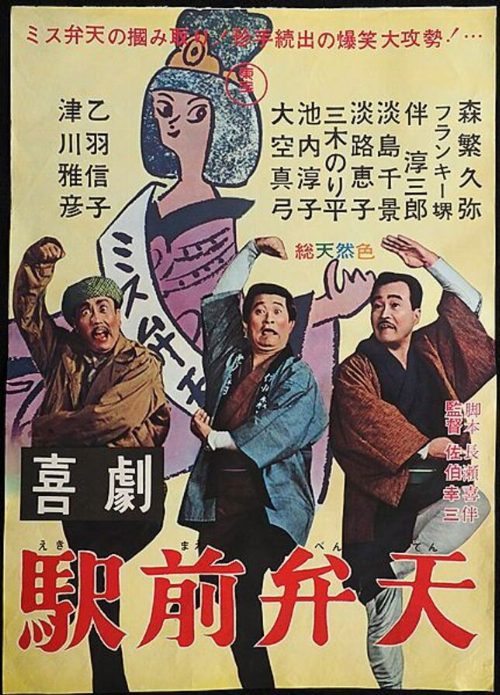
The 14th film in the Ekimae series, set in Nagano Prefecture, focusing on the love lives of a group of husbands and their wives.
Stepping into the bustling, mid-sixties landscape of Japanese cinema reveals a fascinating tradition of long-running ensemble comedies that captured the domestic anxieties of a rapidly modernizing nation. A Comedy in Front of the Station: Benten stands as a quintessential entry in the beloved Ekimae series, a franchise that functioned much like the popular recurring character dramas seen in various regional Indian film industries today. By anchoring the narrative in the picturesque Nagano Prefecture, director Kozo Saeki taps into the specific charm of local settings to explore the messy, often hilarious interpersonal dynamics of a tight-knit community. While the film is rooted in a distinctly Japanese cultural context, the core subject matter—the relatable friction between husbands and their partners—mirrors the universal themes of marital discord and reconciliation that resonate across global cinema.
The appeal of this particular installment lies largely in its powerhouse cast, featuring stalwarts like Hisaya Morishige and Frankie Sakai, whose comedic chemistry provides the film with its rhythmic, vaudevillian energy. For viewers who appreciate the character-driven humor found in classic Bollywood or Tollywood family entertainers, this film offers a similar pleasure. It functions as a snapshot of a period when the Japanese film industry was perfecting the art of the lighthearted, multi-starrer comedy that balanced social commentary with slapstick antics. Because the Ekimae series was a staple for local audiences for years, the actors play off one another with a shorthand familiarity that makes the viewing experience feel remarkably intimate and lived-in.
This movie is an ideal discovery for enthusiasts of world cinema who enjoy studying the evolution of the comedy genre outside of Hollywood’s influence. It avoids heavy-handed moralizing, instead opting for a situational approach that highlights the absurdities of daily life. Those interested in the historical progression of the ensemble comedy will find the pacing and character archetypes particularly intriguing, as they reflect the social expectations of the mid-sixties while maintaining an enduring, timeless wit. By focusing on the intricacies of relationships rather than grand spectacle, the film remains a charming testament to the power of a strong script and a seasoned troupe of performers. Whether one is a dedicated scholar of Japanese film history or simply looking for a nostalgic, lighthearted story, this project serves as a compelling reminder of why these character-centric series remained so dominant in the national consciousness for decades.
Crew
Similar Films