About A Couch in New York
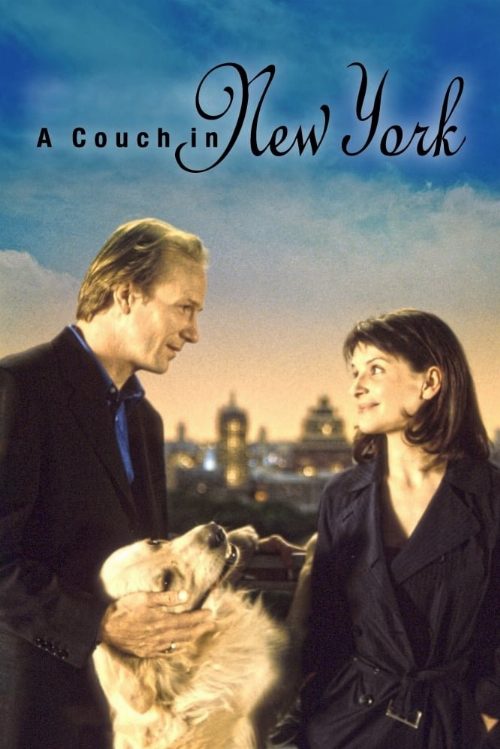
A burnt-out New York psychiatrist finds his practice taken over by the understanding Parisian woman with whom he swapped apartments.
The premise of A Couch in New York rests on the classic narrative tension of the fish out of water, yet it elevates the conceit through a transatlantic lens that feels both whimsical and grounded in the romantic comedies of the nineties. Directed by Chantal Akerman, a filmmaker celebrated for her rigorous exploration of domestic spaces and psychological interiority, this project finds her stepping into a lighter, more accessible genre while maintaining her signature eye for the intricacies of daily life. The story follows a weary Manhattan therapist who decides to trade his urban sanctuary for a Parisian escape, only to discover that his temporary replacement is a woman who approaches his patients with a refreshing lack of clinical detachment.
For followers of European cinema who appreciate the dialogue-heavy traditions of French comedies, this film offers a fascinating look at how cultural sensibilities clash when transported across the Atlantic. While modern Indian audiences are well-acquainted with the trope of apartment swapping through contemporary streaming hits and globalized rom-com storytelling, this 1996 feature serves as a charming precursor to those narratives. It avoids the high-octane drama often found in current Telugu or Hindi blockbusters, opting instead for a deliberate, character-driven pace that highlights the humor found in misunderstandings and the vulnerability of being an outsider in a bustling metropolis. The film does not rely on grandiose set pieces or complex action sequences but rather thrives on the chemistry between the leads and the stark contrast between the frenetic energy of New York and the perceived elegance of the French capital.
Viewers who enjoy lighthearted explorations of identity and the way our environments shape our mental states will find much to admire here. It is an ideal pick for those looking to revisit the mid-nineties aesthetic, characterized by a specific kind of optimistic storytelling that prioritized human connection over spectacle. By grounding the absurdity of the premise in the very real exhaustion of city living, the film remains relatable even decades after its original release. It stands as a testament to the idea that sometimes the best way to understand oneself is to inhabit the world of another, quite literally, by stepping into their shoes and their living room. Whether you are a fan of Akerman’s more experimental work or simply seeking a sophisticated comedy that favors wit over cynicism, this film provides a thoughtful and breezy viewing experience that captures a unique moment in international romantic comedy history.
Cast(22)