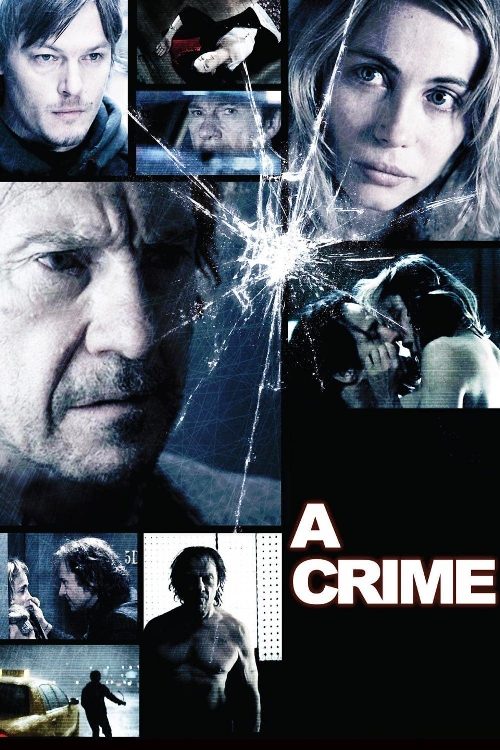
About A Crime
Vincent's life is on hold until he finds his wife's killer. Alice, his neighbor, is convinced she can make him happy. She decides to invent a culprit, so that Vincent can find revenge and leave the past behind. But there is no ideal culprit and no perfect crime.
The cinematic landscape is often punctuated by narratives that delve into the murky depths of human obsession and the desperate pursuit of closure, and A Crime, released in 2006, appears to tread this very path. The film centers on Vincent, a man whose existence has become a standstill, consumed by the unsolved murder of his wife. His world is thrown into further disarray by Alice, a neighbor who believes she holds the key to his emotional liberation. Her solution, however, is a dangerous fabrication: the invention of a perpetrator, a phantom enemy designed to grant Vincent the catharsis he so desperately craves. This premise immediately signals a story that is less about the mechanics of a whodunit and more about the psychological fallout of trauma and the perilous nature of manufactured justice.
What distinguishes A Crime from a more conventional thriller is its exploration of the subjective experience of grief and the ethical quagmire of manipulating reality to soothe a wounded soul. Alice's plan, while perhaps born of a misguided desire to help, sets in motion a chain of events that questions the very notion of truth and vengeance. The film seems poised to dissect the idea that sometimes, the most damaging crimes are not those committed by an external force, but by the internal mechanisms we employ to cope with unbearable loss. It's a setup that promises a slow-burn tension, relying on character dynamics and thematic resonance rather than overt action.
Viewers who appreciate character-driven dramas with a psychological edge will likely find A Crime compelling. Those drawn to stories that explore the darker corners of human motivation and the unsettling consequences of well-intentioned deception should find ample reward here. While not an Indian-language film, its thematic concerns about justice and emotional reckoning are universal, resonating with audiences who enjoy films that provoke thought long after the credits roll. The presence of veteran actor Harvey Keitel, known for his intense portrayals in crime dramas, suggests a performance that will anchor the film's dramatic weight, adding another layer of intrigue for seasoned filmgoers.