About A Nice Indian Boy
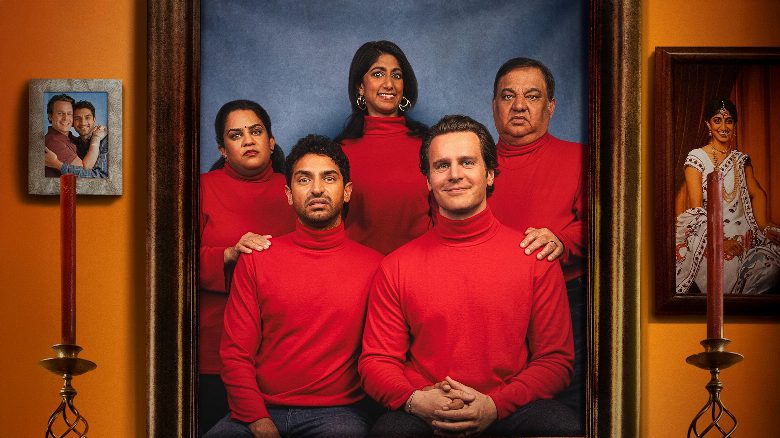
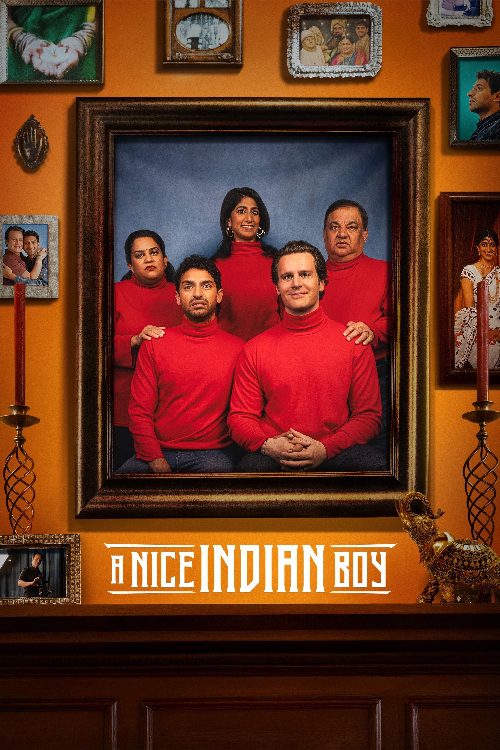
When Naveen brings his fiancé Jay home to meet his traditional Indian family, they must contend with accepting his white-orphan-artist boyfriend and helping them plan the Indian wedding of their dreams.
The cinematic landscape often finds its most compelling friction at the intersection of generational expectations and the evolving definition of the modern family. A Nice Indian Boy steps into this territory with a lighthearted yet pointed exploration of identity, culture, and the complexities of blending worlds that operate on entirely different social frequencies. By centering on a protagonist who navigates the delicate balance between his traditional heritage and his personal truth, the film taps into a growing trend of diaspora stories that prioritize authenticity over caricature. It is a refreshing shift from the typical high-stakes dramas often associated with Indian families on screen, opting instead for the messy, humorous, and deeply relatable terrain of wedding preparations and parental approval.
Jonathan Groff and Sunita Mani anchor the narrative with a chemistry that feels lived-in and genuine, providing a sturdy emotional core for a story that could easily have veered into farce. The film functions as a bridge between classic romantic comedy tropes and the specific nuances of the South Asian experience in a Western context. For viewers who appreciate the wit and warmth found in recent cross-cultural comedies, this project offers a sophisticated look at how love serves as the ultimate catalyst for change. The direction leans into the inherent chaos of family gatherings, utilizing the setting of a grand, multi-day celebration to force characters out of their comfort zones and into uncomfortable, yet necessary, conversations about acceptance.
This is a film clearly designed for an audience that values nuanced storytelling, particularly those who have followed the careers of its lead performers as they navigate increasingly diverse roles. While the premise touches on familiar themes of cultural friction, the execution suggests a focus on individual growth rather than just the preservation of custom. It stands out in a crowded market by refusing to villainize the traditional elements of the family, instead presenting them as characters deeply committed to their own worldview. Those looking for a balance of sharp humor and genuine heart will likely find this a standout entry in the current wave of inclusive romantic comedies. It manages to feel both like a celebration of heritage and a bold step forward, making it a piece of contemporary cinema that feels both timely and timeless.
Cast(15)