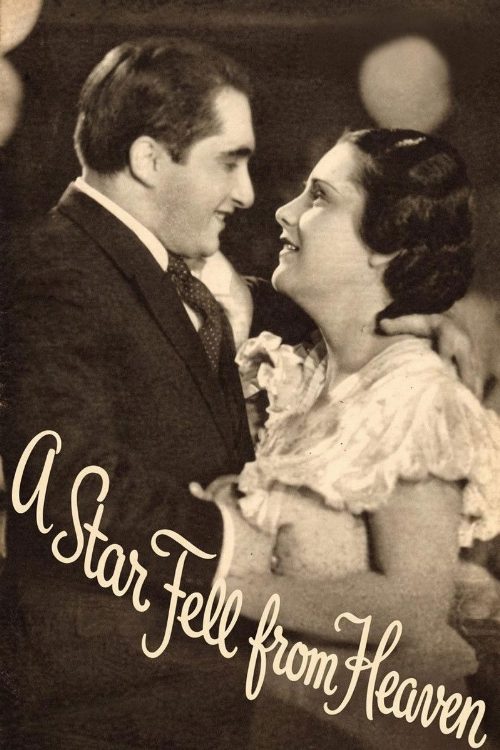
About A Star Fell from Heaven
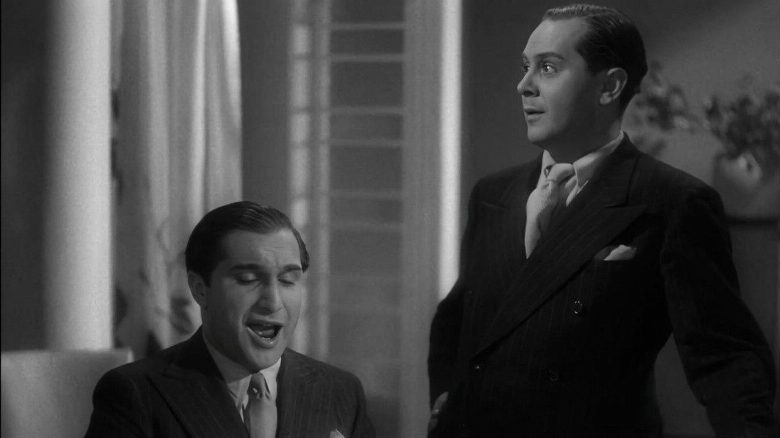
In this comedy, a talented singer is hired to dub the voice of a star who has lost his own. During the film's premiere, news that he sang the songs slips out and suddenly he finds that he himself has become a star. Unfortunately he soon encounters unanticipated problems. He is especially concerned about his girl friend who dumped him in favor of the voiceless star.
Stepping back into the landscape of early sound cinema, A Star Fell from Heaven offers a fascinating glimpse into the mechanics of fame and the fragility of celebrity identity. While modern audiences might associate the plot of a hidden voice behind a screen icon with more contemporary satires, Paul Merzbach delivers this premise with a distinct 1930s charm. The film centers on the irony of a gifted vocalist who finds his own identity eclipsed by the very persona he is hired to facilitate. As the narrative unfolds, it captures the sudden, disorienting shift from obscurity to the spotlight, exploring the psychological toll that comes with being a public sensation while remaining a private individual. This exploration feels surprisingly relevant even today, as the industry continues to obsess over the blurred lines between authenticity and manufactured stardom.
For fans of global cinema who appreciate the vintage era of filmmaking, this comedy serves as a bridge between the theatrical sensibilities of the mid-thirties and the evolving language of musical drama. The presence of Joseph Schmidt is particularly notable here, as his real life career as a renowned tenor brings a layer of genuine musical gravitas to the role. His performance elevates the material, grounding the whimsical plot in a sincere display of vocal talent that was a hallmark of the era. The chemistry between the cast members helps navigate the transition from lighthearted hijinks to the more complex emotional stakes regarding romantic betrayal and professional envy. It is a quintessential period piece that reflects how the anxieties surrounding Hollywood glamour and the vulnerability of the artist were beginning to take root in the public consciousness.
Viewers who enjoy lighthearted yet thematically layered stories will find this film to be a compelling watch. It is perfect for those who are interested in the history of cinema as a medium that has always been fascinated by its own artifice. By focusing on the tension between the man behind the microphone and the face on the screen, the story invites us to reflect on our own relationship with the stars we elevate. While it maintains the comedic structure expected of its time, the underlying questions about integrity and recognition provide enough substance to sustain the viewer throughout the runtime. Whether you are a student of classic film techniques or simply looking for a nostalgic trip back to the foundations of the industry, this production remains a charming artifact of a bygone era that still speaks to the universal human desire to be seen for who we truly are.
Cast(14)