About A Touch of Zen
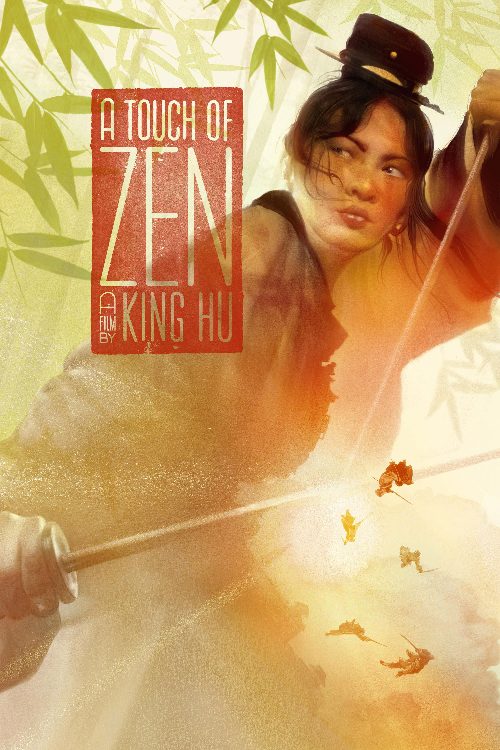
Gu Sheng-zhai, an artist in his early 30s, still lives with his mother, but he is suddenly shaken by the arrival of Yang Hui-zhen, a mysterious princess on the run. Yang brings Gu into her circle of protectors, including a nameless monk whose spiritual guidance transforms him into a valiant fighter.
King Hu stands as a monumental figure in world cinema, and his 1970 masterpiece A Touch of Zen serves as the definitive bridge between traditional Chinese opera aesthetics and the modern martial arts epic. While contemporary audiences often associate wuxia films with rapid-fire editing and wire-heavy choreography, this film operates on a different frequency, prioritizing atmospheric tension and philosophical depth over constant spectacle. It follows the life of a quiet, unassuming scholar who finds his mundane existence shattered when a fugitive noblewoman seeks refuge in his desolate neighborhood. As political intrigue forces him to abandon his comfort zone, the narrative evolves into a breathtaking exploration of duty, morality, and the intersection of physical combat with spiritual enlightenment.
The film is particularly fascinating for fans of South Asian cinema who appreciate the slow-burn intensity found in the works of legendary directors like Satyajit Ray or the meticulous period detail often seen in high-budget Indian historical dramas. Unlike many action films that rely on brute force, A Touch of Zen treats the sword as an extension of the soul, utilizing rhythmic movement and stunning cinematography to convey power. The inclusion of a young Jackie Chan, long before his global superstardom, serves as a compelling historical footnote for cinephiles interested in the evolution of Eastern stunt work. By grounding its high-stakes political conflict in the serene, wind-swept landscapes of rural China, the production creates a visual language that feels both grounded and ethereal.
Viewers who enjoy cinema that demands patience and rewards it with profound imagery will find this an essential addition to their watch list. It is not merely a genre piece about warriors and outlaws; it is a meditation on how ordinary people are swept into the currents of history by forces beyond their control. For those accustomed to the energetic pacing of current Tamil or Telugu action blockbusters, this film offers a refreshing change of pace, demonstrating how silence and anticipation can be just as thrilling as a loud set piece. The enduring relevance of the film lies in its refusal to offer easy moral binaries, instead presenting a world where the lines between the secular and the sacred are constantly shifting. It remains a cornerstone of international film history, capturing a level of artistic ambition that continues to influence directors across the globe today.
Cast(31)