About A Woman of Affairs
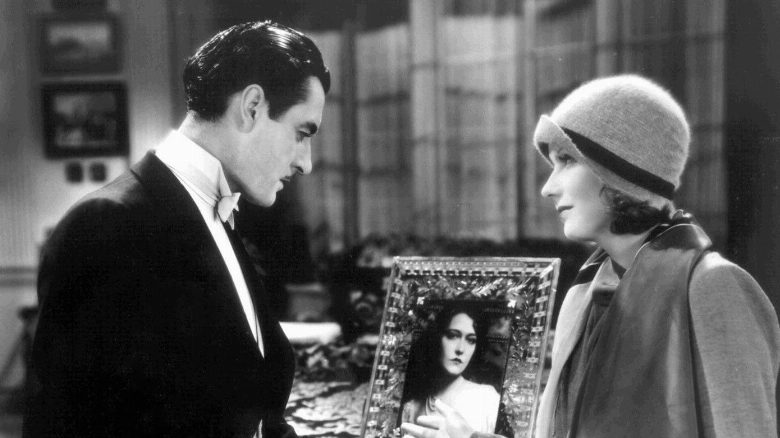
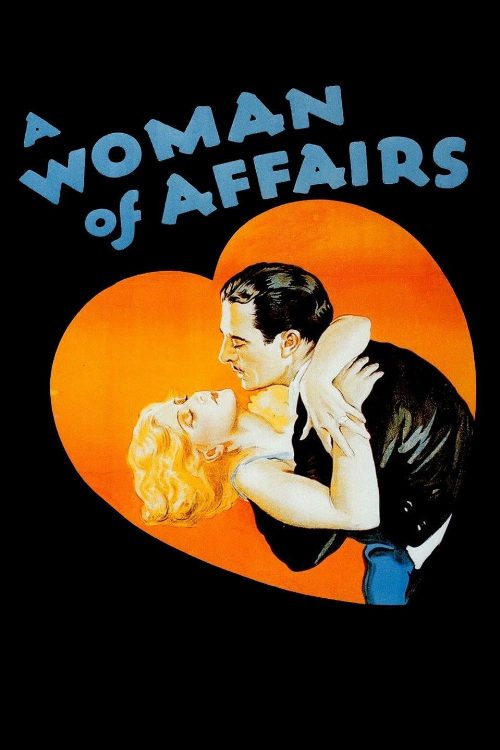
Childhood friends Diana, Neville and David are caught in a love triangle as adults. Diana and Neville have long been smitten with each other, but her father disapproves of the relationship, resulting in her eventual marriage to David. It's not long after their wedding, however, that tragedy strikes, sending Diana on a downward spiral. When Neville reappears in her life, will he be able to save her from her own misery?
Long before the era of modern melodrama defined the emotional stakes of contemporary Indian cinema, A Woman of Affairs captured the essence of high-society longing and the devastating weight of social expectation. This silent masterpiece from 1928 showcases Greta Garbo at the height of her magnetic influence, portraying a woman whose life is dictated by the rigid boundaries of her class. While the film is a relic of old Hollywood, its core themes of forbidden romance and the tragic consequences of societal interference will feel strikingly familiar to fans of high-stakes Telugu or Hindi emotional dramas. Much like the complex family dynamics often found in the works of Sanjay Leela Bhansali or the intense romantic conflicts seen in classic Tamil epics, the film centers on a woman caught between her own desires and the crushing disapproval of her inner circle.
The narrative focuses on the internal turbulence of a woman whose choices are thwarted by paternal intervention, forcing her into a marriage that lacks the passion she craves. This setup mirrors the classic trope of the star-crossed lover prevalent in international cinema, where the protagonist must navigate a path through betrayal and personal grief. Director Clarence Brown masterfully uses the visual language of the late silent era to convey depth and yearning, allowing the lead performance to carry the weight of the story without the need for dialogue. For the modern viewer who appreciates the slow-burn intensity of Malayalam character studies or the grand, sweeping romance of traditional period pieces, this film serves as a foundational text in the evolution of the tragic heroine.
Garbo commands the screen with a presence that transcends language barriers, making this an essential watch for those interested in the history of global performance. She brings a nuanced vulnerability to the role that elevates the material beyond a simple romantic entanglement, positioning the character as a precursor to the complex, suffering women who have become icons in modern Indian regional filmmaking. Audiences who enjoy films that prioritize mood, costume, and the subtle interplay of gaze and gesture will find this a captivating experience. It is a haunting exploration of how the choices we make for the sake of others can ultimately lead to our own undoing, a sentiment that resonates just as strongly today as it did nearly a century ago.
Cast(15)