
About Abe
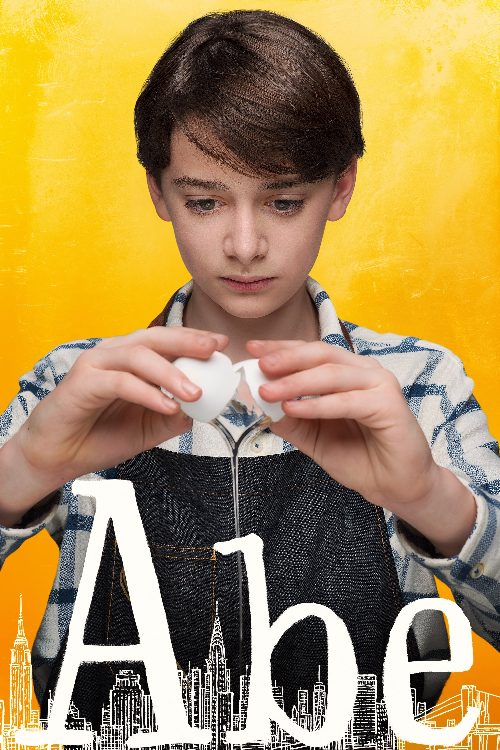
A 12-year-old boy from Brooklyn tries to unite his half-Israeli and half-Palestinian family through cooking.
The kitchen serves as a universal theater for cultural reconciliation in the charming dramedy Abe, a film that captures the delicate friction of identity within a modern American household. At the center of this narrative is a precocious twelve-year-old boy living in Brooklyn who feels trapped between the divergent traditions of his maternal and paternal lineages. While many films explore the complexities of multicultural families through tense dialogue or heavy-handed drama, this project takes a more sensory approach by using culinary arts as a bridge between conflicting worlds. By focusing on a protagonist who attempts to heal deep-seated ancestral wounds through the simple act of preparing a meal, the director Fernando Grostein Andrade crafts a story that feels both intimately domestic and globally resonant. It is a refreshing departure from standard coming-of-age tropes, grounding its high-stakes geopolitical themes in the very tangible, messy, and aromatic reality of a family kitchen.
For audiences who follow global cinema, this film offers a fascinating look at how the diaspora experience is mirrored in the United States, echoing the way many Indian regional films examine the tension between traditional heritage and contemporary assimilation. Much like the nuanced character studies found in the best of Malayalam or independent Hindi cinema, this movie avoids easy answers or villainizing any side of the family equation. Instead, it invites the viewer to appreciate the stubbornness of cultural pride and the exhaustion that comes with trying to please everyone at the table. The lead performance is central to this success, as it balances the genuine innocence of youth with the weight of someone trying to reconcile a fractured heritage. It is a film that rewards viewers who enjoy character-driven storytelling where the stakes are measured in shared recipes rather than grand spectacles.
This feature is particularly well-suited for those who gravitate toward indie cinema that prioritizes human connection over plot-heavy twists. By positioning food as a neutral language in an otherwise polarized landscape, the story manages to be both poignant and lighthearted, making it an accessible watch for families. It captures the specific Brooklyn energy that has become a staple of modern independent filmmaking, while simultaneously touching on universal experiences of belonging that transcend borders. Whether you are a fan of thoughtful family dramas or simply looking for a story that finds hope in the smallest of gestures, this film presents a compelling case for the idea that peace often begins at home, one dish at a time. It stands as a testament to the idea that even when history pulls us apart, our shared appetites might just be the thing that brings us back together.
Cast(12)