About Aftershock
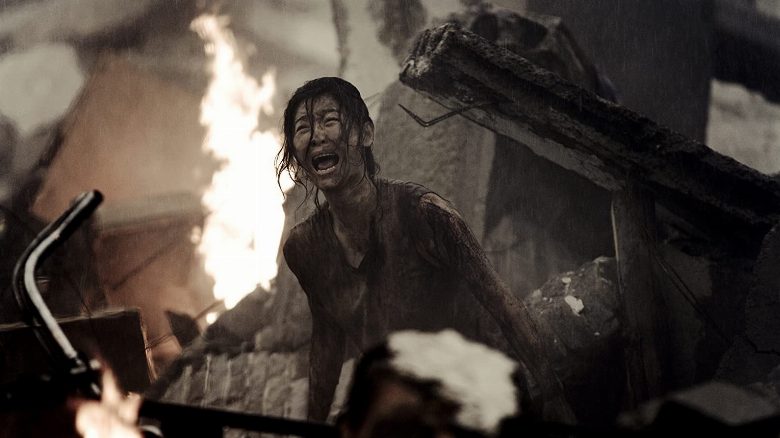
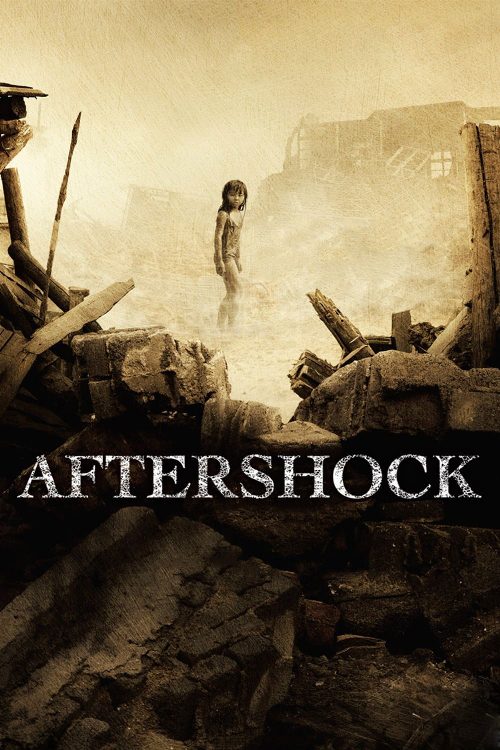
Tangshan, 1976. Two seven-year-old twins are buried under the rubble of the deadliest earthquake of the 20th century. The rescue team explains to their mother that freeing either child will almost certainly result in the death of the other. Forced to make the most difficult decision of her life, she finally chooses to save her son. Though left behind as dead, the little girl miraculously survives, unbeknownst to her brother and mother.
Feng Xiaogang stands as a titan of commercial Chinese cinema, yet in Aftershock, he pivots away from his signature comedic flair to deliver a harrowing exploration of familial guilt that resonates deeply with audiences accustomed to the emotional gravity of pan-Asian dramas. By centering the narrative on the impossible choice forced upon a mother during the 1976 Tangshan earthquake, the film transcends the disaster genre. It functions less as a spectacle of destruction and more as a slow-burn study of how trauma ripples across decades, creating a chasm between survivors that only time and reconciliation can hope to bridge. This focus on the psychological aftermath rather than the event itself aligns the film with the introspective storytelling often celebrated in Indian parallel cinema, where the strength of character-driven narratives outweighs the need for constant action.
The production is positioned as an epic of human endurance, anchored by a powerhouse performance from Xu Fan, whose portrayal of a woman living under the crushing weight of a singular, gut-wrenching decision provides the film its beating heart. For viewers who appreciate the intricate family dynamics found in high-caliber Malayalam or Tamil dramas, Aftershock offers a similarly sophisticated look at how secrets and unspoken grief shape identity. The visual language of the film captures the stark contrast between the dust-covered agony of the seventies and the rapid modernization of the following decades, mirroring the shifting landscape of a nation moving forward while tethered to its collective scars. It is a cinematic experience that demands patience, rewarding the viewer with a profound meditation on the resilience of the human spirit.
Those who find themselves drawn to films that prioritize emotional catharsis over generic thrills will find this work particularly compelling. It occupies a unique space in contemporary world cinema, bridging the gap between historical tragedy and intimate domestic portraiture. By refusing to offer easy answers or quick resolutions to the fractured lives of the protagonists, Feng Xiaogang invites the audience to sit with the ambiguity of forgiveness. Whether one is a seasoned follower of Chinese film history or a newcomer looking for a story that carries universal emotional weight, this piece stands as a testament to the idea that some wounds never truly heal, even as they define the people we eventually become. It remains a definitive entry for anyone seeking to understand the intersection of personal tragedy and the broader historical currents that wash over individuals in the face of catastrophe.
Cast(16)
















Crew
Director
Other
Writer
Director of Photography
Similar Films