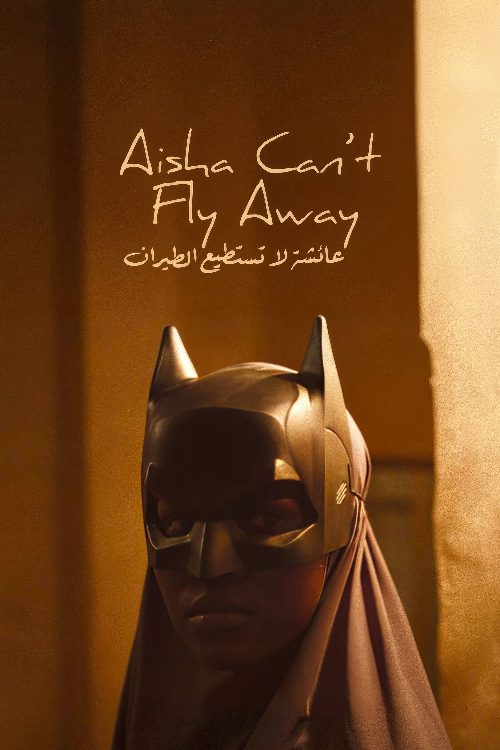
About Aisha Can't Fly Away
Aisha, a 26-year-old Sudanese woman, lives in Ain-Shams, a neighborhood in Cairo with a large African migrant community. The authorities’ indifference to the violent tensions between Egyptians and various African nationalities, has allowed different gangs to seize control of the neighborhood. The situation quickly turns sour after one of them offers Aisha security in exchange for a favor.
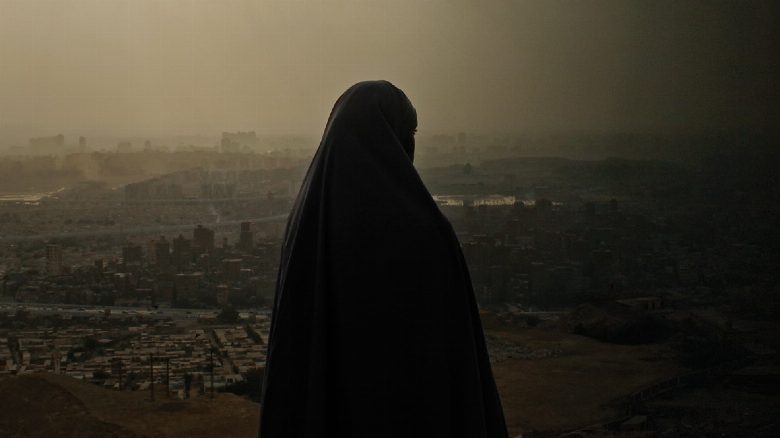
The unsettling atmosphere of Aisha Can't Fly Away marks a bold departure from traditional regional horror, grounding its terror in the visceral reality of urban displacement. Set against the dense, labyrinthine backdrop of the Ain-Shams district in Cairo, the film explores the precarious existence of African migrant communities navigating a landscape defined by state neglect and encroaching criminal influence. By weaving supernatural dread into the fabric of a harsh sociopolitical drama, the story transcends typical genre boundaries. It focuses on the psychological toll of survival, where the threat posed by neighborhood gangs is arguably more haunting than any spectral presence. This is a film that prioritizes atmospheric tension over cheap jump scares, reflecting a growing trend in contemporary cinema that uses dark, allegorical storytelling to comment on the plight of the marginalized.
Buliana Simon Arop delivers a performance that anchors the film, portraying a protagonist whose desperation is palpable as she grapples with an impossible bargain. When a local power broker offers a semblance of protection in return for a mysterious task, the narrative shifts into a claustrophobic exploration of complicity and fear. The direction keeps the camera close to the characters, emphasizing their isolation within the bustling, indifferent city. For viewers who appreciate international dramas that challenge the status quo, this work provides a compelling look at the intersection of migration and folklore. The film avoids easy answers, instead opting to interrogate the moral compromises individuals are forced to make when they are stripped of their safety and status.
Fans of slow-burn psychological thrillers will find much to admire here, as the film carefully builds a sense of inevitable doom rather than relying on explosive action sequences. It is a stark, unflinching look at power dynamics, successfully capturing the anxiety of living in a place where one is perpetually viewed as an outsider. By focusing on the specific experiences of Sudanese migrants in Egypt, the production offers a nuanced cultural perspective that is rarely explored in such a high-stakes format. Those interested in the global evolution of horror will likely see this as a significant entry, as it pushes the genre toward a more grounded, socially conscious future. With its moody aesthetic and sharp focus on systemic vulnerability, the film is positioned to be a standout experience for audiences seeking stories that linger in the mind long after the credits roll.