
About AKA
In 1970s Britain, 18-year old Dean feels hampered by his working-class background and his family. In order to make something of himself, he assumes another identity and manages to enter high society. Uses a unique projection technique that displays three side-by-side frames of nearly simultaneous action, giving the impression of simultaneous events, rather than a multi-camera recording. This innovative "three-camera" or triple-image effect was an "almost innovation" for the time, offering a novel cinematic experience alongside the film's compelling story and strong direction.
Stepping away from the traditional linear narrative, AKA captures the restless ambition of a young man desperate to rewrite his own origin story. Set against the backdrop of 1970s Britain, the film follows an eighteen-year-old protagonist who finds his working-class reality suffocating. His decision to fabricate an entirely new identity is not merely a path toward social mobility but a bold attempt to infiltrate the exclusive circles of the elite. While many films explore themes of class aspiration, this production distinguishes itself through its technical audacity. By utilizing a triple-image projection technique, the director creates a fragmented yet immersive experience that mirrors the protagonist's own fractured sense of self. This visual choice forces the audience to engage with the story in a way that feels modern and frantic, elevating a classic tale of deception into a high-stakes psychological drama.
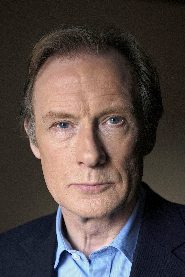
For fans of global cinema who appreciate the stylistic experimentation often found in contemporary Indian parallel cinema or the gritty character studies of Malayalam hits, this film offers a fascinating bridge between artistic innovation and narrative depth. It occupies a unique space, echoing the emotional stakes of films that examine the cost of reinventing one’s life. The performances, anchored by a cast including Bill Nighy, ground the high-concept visual style in human vulnerability. The film is perfectly suited for viewers who enjoy stories about the intersection of status and identity, particularly those who prefer their dramas to be stylistically daring rather than straightforward or conventional.
The project reflects a director’s willingness to challenge the formal boundaries of the medium, a hallmark of creators who prioritize the language of film as much as the plot itself. As the story unfolds, the triple-frame technique serves as a constant reminder of the protagonist’s double life, physically manifesting the tension between who he is and who he pretends to be. It is a compelling watch for those interested in the history of experimental filmmaking and anyone drawn to character-driven narratives that refuse to follow the beaten path. By stripping away the comfort of a singular perspective, the film forces the viewer to become an active participant in the deception, making the inevitable collision of the hero's two worlds feel all the more personal and inevitable. This is a bold piece of storytelling that remains relevant for its unflinching look at the hunger for belonging in a rigid society.
Cast(25)