All Is Lost(2013)
About All Is Lost
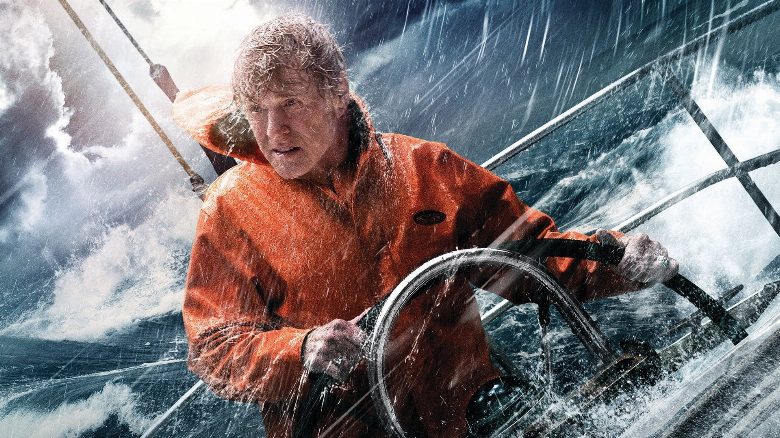
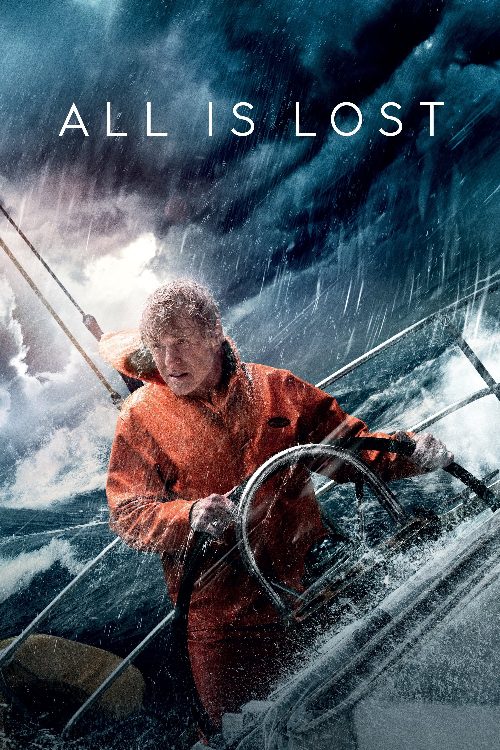
During a solo voyage in the Indian Ocean, a veteran mariner awakes to find his vessel taking on water after a collision with a stray shipping container. With his radio and navigation equipment disabled, he sails unknowingly into a violent storm and barely escapes with his life. With any luck, the ocean currents may carry him into a shipping lane -- but, with supplies dwindling and the sharks circling, the sailor is forced to face his own mortality.
Robert Redford delivers a masterclass in minimalist storytelling in this gripping maritime survival drama that strips away the reliance on dialogue to focus entirely on human resilience. The film operates as an immersive sensory experience, placing the audience in the center of a nautical nightmare where the protagonist must contend with the unforgiving power of the open sea. While many survival epics lean on flashbacks or internal monologues to provide character depth, this narrative remains firmly rooted in the immediate, desperate struggle against nature. It is a bold departure from traditional Hollywood spectacles, favoring a raw, observational style that mirrors the quiet intensity often celebrated in critically acclaimed world cinema, including the grounded, character-driven dramas frequently emerging from the Malayalam and Tamil industries.
The film stands out as a fascinating exercise in technical precision and endurance. By centering the story on a single individual facing a series of escalating mechanical and environmental failures, the director crafts a high-stakes puzzle that demands complete attention. There is a universal quality to the protagonist's plight that transcends language barriers, making it an ideal choice for viewers who appreciate films that prioritize visual storytelling over heavy exposition. For fans of Indian cinema who admire the gritty realism and survivalist themes found in recent regional hits, this production offers a similar level of visceral engagement. It tests the limits of what a performer can convey through simple gesture and reaction, showcasing the veteran actor at his most vulnerable and formidable.
This cinematic journey is essentially a meditation on human solitude and the instinctual drive to persist when all conventional tools of communication are severed. It is tailor-made for audiences who gravitate toward contemplative, tension-filled narratives that reward patience and keen observation. By removing the safety net of supporting characters, the film forces the viewer to forge a direct connection with the man on the raft, transforming a solitary voyage into a shared experience of existential dread and hopeful determination. It remains a standout entry in the genre because it refuses to offer easy answers or cinematic shortcuts, opting instead for an authentic portrayal of a battle between man and the elements. Whether one is a devotee of classic Hollywood icons or a newcomer to this type of stripped-back filmmaking, the emotional weight of this ordeal lingers long after the final frame, solidifying its place as a quintessential study of endurance.