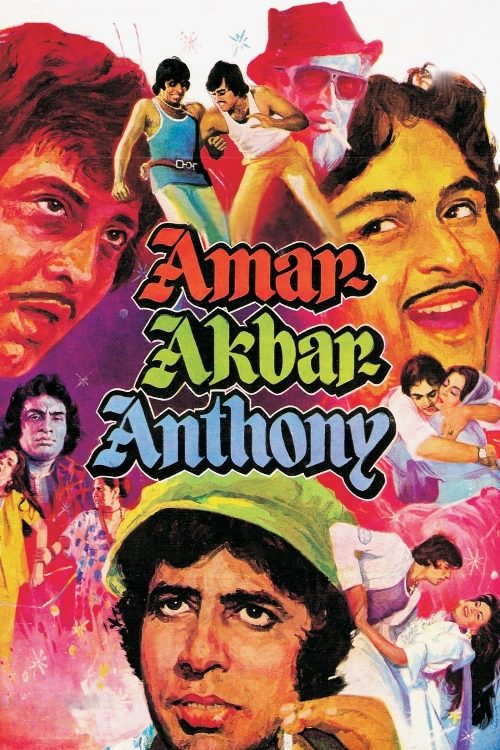
About Amar Akbar Anthony
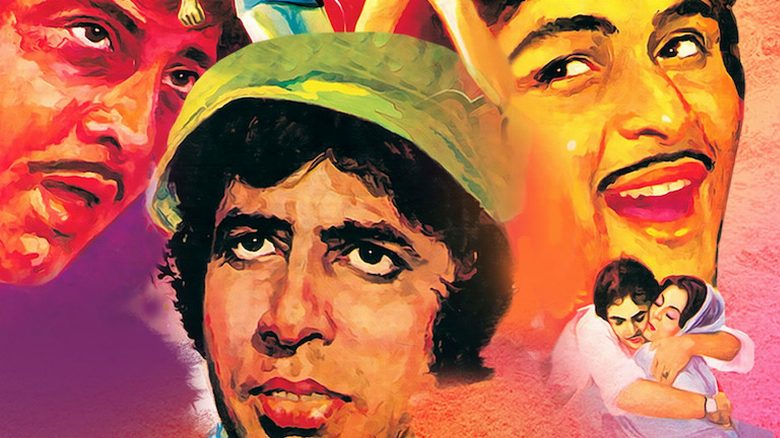
Bollywood action comedy film with a lost and found theme, about three brothers separated during their childhood who grew up in three homes, adopting three religions. They meet in their youth to fight a common villain.
Few cinematic experiences define the essence of the masala genre quite like the 1977 Hindi blockbuster Amar Akbar Anthony. By weaving together the lives of three siblings separated by a cruel twist of fate, the film serves as a vibrant tapestry of secular harmony and high-octane entertainment. Each brother is raised in a distinct cultural environment, embodying Hindu, Muslim, and Christian identities, which transforms a standard narrative about vengeance into a profound exploration of India’s pluralistic spirit. The film moves with a rhythmic energy that balances slapstick humor with intense emotional stakes, ensuring that the audience remains tethered to the characters despite the sprawling nature of the plot.
The directorial vision behind this project remains a masterclass in managing tonal shifts that could easily collapse in less capable hands. It stands as a definitive artifact of the seventies, a decade characterized by the rise of the angry young man archetype and the flourishing of grand, multi-genre spectacles. For viewers who enjoy classic Hindi cinema, this title is essential viewing as it encapsulates the formula that shaped generations of filmmakers. The chemistry between the leads provides the glue for a script that relies heavily on coincidence and dramatic reunions, yet the execution feels remarkably earnest. It is precisely this sincerity that allows the film to transcend the limitations of typical action dramas from that era.
Modern audiences who appreciate the roots of the lost and found trope will find much to admire in how the narrative manages to balance three separate story arcs without sacrificing narrative momentum. It is a film for those who value the legacy of Indian storytelling, particularly the way it elevates common social values through the lens of larger than life heroism. By positioning the brothers as distinct individuals who eventually unite against a singular, corrupt antagonist, the story reinforces the idea that diversity is a source of strength rather than friction. Whether one is revisiting this classic for its nostalgic soundtrack or analyzing its influence on contemporary commercial cinema, it remains a pillar of Hindi film history. The project stands as a testament to a time when mainstream movies were designed to speak to the entire nation at once, creating a communal experience that is rarely replicated with such colorful intensity in today’s fractured media landscape.
Cast(23)