About Among Us
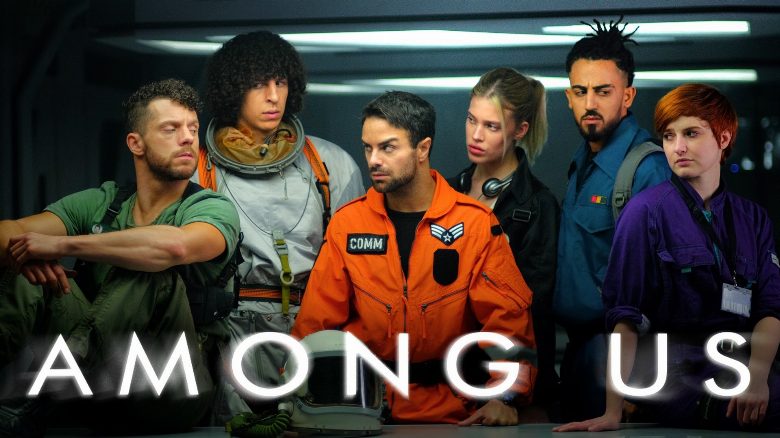
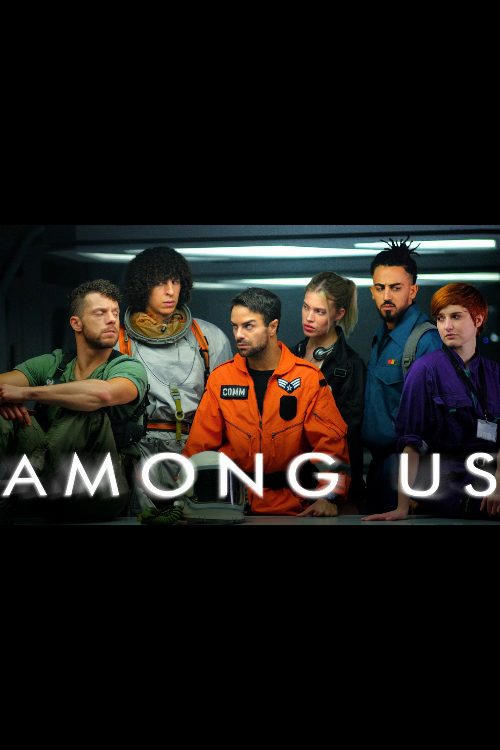
The story revolves around a crew member of a spaceship who is murdered. The remaining crew-mates lock themselves in the cafeteria after the murder to figure out who the murder is. The tension in the room is like crazy as everyone becomes suspicious. Apparently a mysterious virus would turn people into killers.
Paranoia serves as the ultimate catalyst for human conflict, and Among Us transforms this psychological fragility into a claustrophobic science fiction experience. Rather than relying on sprawling galactic battles, the film isolates its characters within the sterile confines of a spacecraft, forcing them to confront the terrifying possibility that a lethal contagion has compromised their ranks. This narrative choice shifts the focus from external threats to the fraying social fabric of the crew, making the audience feel the same suffocating pressure that the ensemble cast navigates. By centering the story on the immediate aftermath of a violent death, the film taps into the primal fear of the unknown, where the person standing next to you could be a friend or a harbinger of doom.
For viewers accustomed to the high-stakes thrills of recent Indian genre experiments, this film offers a fascinating comparative study in minimalist tension. While industries like Tollywood and Kollywood have been pushing boundaries with large-scale visual effects and sprawling mythologies, this production demonstrates how effective a contained, character-driven mystery can be when executed with precision. It echoes the atmospheric dread found in classic psychological thrillers, stripping away the spectacle to highlight the raw, often irrational behavior of people pushed to their absolute limits. The cast, led by performers like Franciska Friede and Jay Samuelz, does the heavy lifting, conveying the mounting suspicion through subtle shifts in demeanor rather than relying on heavy exposition.
This project is perfectly suited for fans of cerebral science fiction who prefer slow-burn investigations over explosive action sequences. It is an exploration of trust, or the lack thereof, in a high-pressure environment where survival is the only currency. Because the narrative remains anchored to the escalating tensions within the cafeteria, the film demands the viewer’s full attention, encouraging them to play detective alongside the survivors. As the mystery deepens and the suspicion becomes increasingly toxic, the film succeeds in keeping the audience guessing about the true nature of the infection and the identity of the culprit. It stands as a testament to the power of a singular setting to amplify human drama, proving that sometimes the most dangerous enemies are the ones we already know.