About Anemone
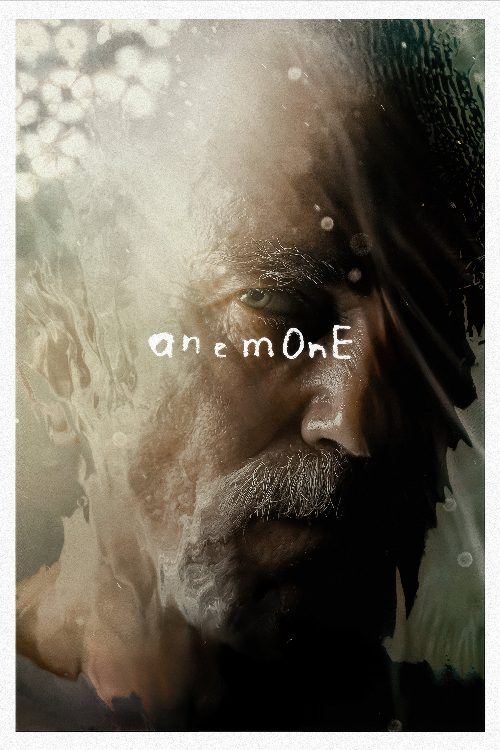
Middle-aged Jem sets out from his suburban home on a journey into the woods, where he reconnects with his estranged hermit brother Ray. Bonded by a mysterious, complicated past, the men share a fraught, if occasionally tender relationship—one that was forever altered by shattering events decades earlier.
The woods have long served as a cinematic sanctuary for characters seeking to escape the crushing weight of their own histories, yet Anemone breathes fresh air into this well-worn trope by focusing on the raw, unvarnished friction of brotherhood. Rather than relying on high-octane spectacle, the film centers on Jem, a man navigating the quiet desperation of suburban life who decides to bridge the physical and emotional distance between himself and his reclusive sibling, Ray. It is a character study that thrives in the silences between two people who know each other too well yet have spent a lifetime avoiding the truth. By placing these two men in a secluded wilderness setting, the narrative strips away the distractions of modern existence, forcing a confrontation with the ghosts of their youth that neither brother can outrun.
This project arrives at a time when global audiences are increasingly gravitating toward intimate dramas that prioritize psychological depth over expansive world-building. While many contemporary English-language films are preoccupied with franchise-driven narratives, Anemone stands out as a deliberate, grounded piece of storytelling that demands patience and empathy. Its tone resonates with the kind of contemplative, human-centric cinema often championed in the independent circuit, echoing the emotional stakes found in the best of world cinema, including the introspective family dramas frequently seen in the Malayalam or Marathi industries. It is a film for the viewer who prefers the slow burn of a rediscovered connection over the frantic pacing of a conventional thriller, rewarding those who appreciate the subtle nuances of performance and the weight of unspoken history.
The strength of the film hinges on the chemistry between the leads, who must navigate a complex dynamic defined by both deep-seated resentment and the enduring, if often buried, bond of blood. As they wander through the dense thicket of their shared past, the audience is invited to piece together the events that fractured their relationship years ago. The direction leans into the atmospheric isolation of the setting, turning the environment itself into a third character that mirrors the internal turmoil of the protagonists. For those who enjoy character-driven explorations of trauma and reconciliation, this film offers a compelling look at the difficult work of forgiveness. It serves as a stark reminder that even when we attempt to bury our formative experiences, the past has a way of rooting itself in the present, waiting for us to finally address what we have left behind.
Cast(16)