
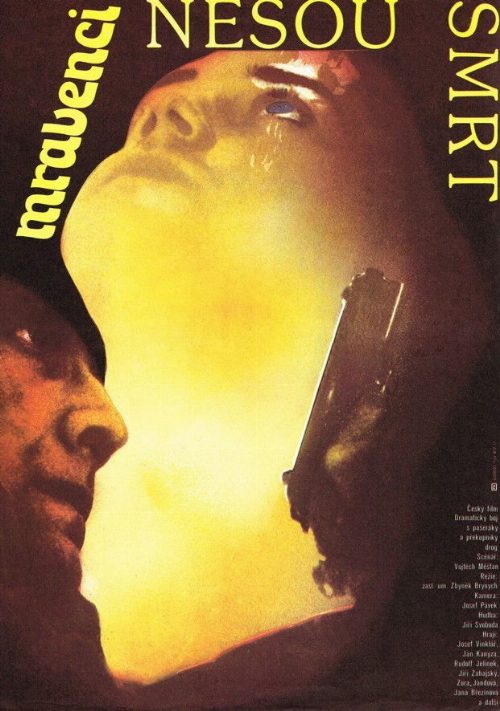
About Ants Bring Death
The biggest threat to a successful crackdown on drug traffickers and consumers is the international hitman Barták, sent to the Czech Republic to eliminate all his collaborators...
The cold, sharp aesthetic of mid-eighties Eastern European crime cinema offers a distinct flavor of suspense that feels remarkably distant from the high-octane spectacles dominating today’s global box office. Ants Bring Death serves as a quintessential artifact of this era, grounding its tension in the gritty reality of a landscape grappling with the rising tide of illicit narcotics. While contemporary audiences are accustomed to the polished, fast-paced thrillers emerging from the bustling studios of Tollywood or Bollywood, this Czech production relies on a deliberate, atmospheric build-up that prioritizes character stakes over flashy set pieces. It captures a specific moment in history when the genre was shedding its overt political theater for a more localized, visceral exploration of criminal underworlds and the lethal professionals who navigate them.
At the heart of the narrative is a cold-blooded operative tasked with silencing those who know too much, creating an immediate ticking-clock scenario that keeps the momentum locked tight. The film functions as a stark character study of an enforcer caught in a web of his own making, where every interaction is a potential betrayal. For viewers who appreciate the slow-burn intensity found in classic noir or the methodical pacing of international suspense cult favorites, this film offers a refreshing departure from modern reliance on rapid-fire editing. It is not merely a story about a hitman; it is a clinical observation of how power structures collapse when the people at the bottom become liabilities to the elite who run the trade.
The performances by Miroslav Smolik and the supporting ensemble ground the high-stakes premise in a believable, somewhat bleak human experience. Fans of the darker, more introspective entries in the Indian crime thriller canon, such as those that lean heavily into systemic corruption and moral ambiguity, will likely find common ground with the themes presented here. The film stands out because it avoids the traps of sensationalism, instead opting for a bleak, claustrophobic tone that reflects the uncertainty of the time. It is a compelling choice for those who view cinema as a lens into different cultural approaches to the genre, proving that the language of suspense is truly universal. Whether you are a student of classic European thrillers or simply a fan of intense, grounded storytelling, this piece of eighties craftsmanship remains a fascinating study in how to construct a high-tension atmosphere with minimal artifice.