Atanarjuat: The Fast Runner(2002)
About Atanarjuat: The Fast Runner
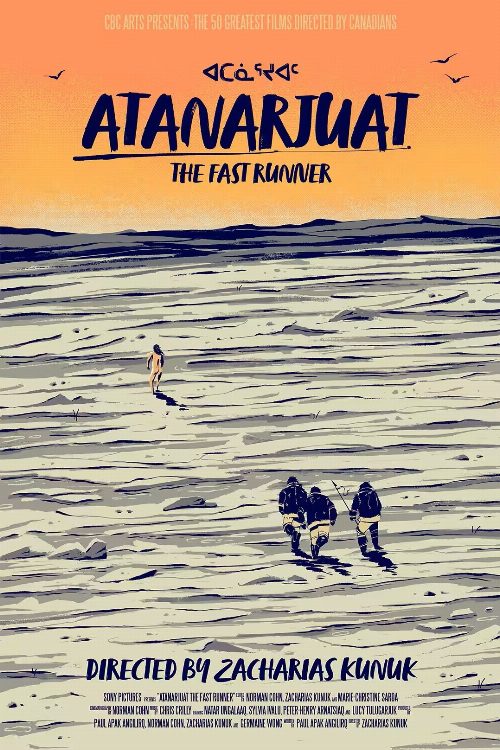
Based on a local legend and set in an unknown era, it deals with universal themes of love, possessiveness, family, jealousy and power. Beautifully shot, and acted by Inuit people, it portrays a time when people fought duels by taking turns to punch each other until one was unconscious, made love on the way to the caribou hunt, ate walrus meat and lit their igloos with seal-oil lamps.
In the vast landscape of global cinema, few works manage to capture the raw, untamed spirit of a culture as authentically as the 2002 masterpiece Atanarjuat: The Fast Runner. By anchoring its narrative in the traditional folklore of the Inuit people, director Zacharias Kunuk crafted a cinematic experience that feels both ancient and remarkably immediate. While audiences familiar with the intense emotional stakes found in contemporary Indian dramas—such as the familial rivalries seen in Mani Ratnam epics or the grand mythic scale of Rajamouli productions—will find common ground here, the film offers a distinct departure from industrial mainstream tropes. It trades artificial artifice for a grounded, immersive reality where the harsh Arctic climate serves as a character in its own right, testing the resilience of its protagonists as they navigate complex webs of betrayal and honor.
The brilliance of this production lies in its dedication to cultural immersion, utilizing a local cast to breathe life into a story passed down through generations. Rather than leaning on typical Hollywood tropes to explain its setting, the film trusts the intelligence of the viewer, inviting them into a world where survival is inextricably linked to social morality and ancient codes of conduct. For those who appreciate films that prioritize visual storytelling over heavy dialogue, this project serves as a compelling study of human nature under pressure. It functions as a bridge between the specificities of Inuit legend and the universal anxieties of jealousy and ambition that resonate across every culture, including the diverse cinematic markets of India where tales of righteousness and retribution have always held a sacred place.
Viewers who enjoy slow-burn narratives that prioritize atmosphere and character development will find themselves drawn into the rhythmic, meditative pacing of the journey. Kunuk avoids the trap of exoticizing his subjects, choosing instead to present a sophisticated, multi-layered look at a society governed by complex interpersonal dynamics. It is a rare example of indigenous storytelling that commands the screen with the confidence of a big-budget epic while retaining the intimacy of a folk tale. Whether you are a scholar of world cinema or simply a fan of intense, character-driven dramas, this film remains an essential watch. It stands as a testament to the power of regional voices to produce globally significant art, ensuring that the legacy of the fast runner continues to race through the collective consciousness of film lovers everywhere.
Cast(15)