About Babushka
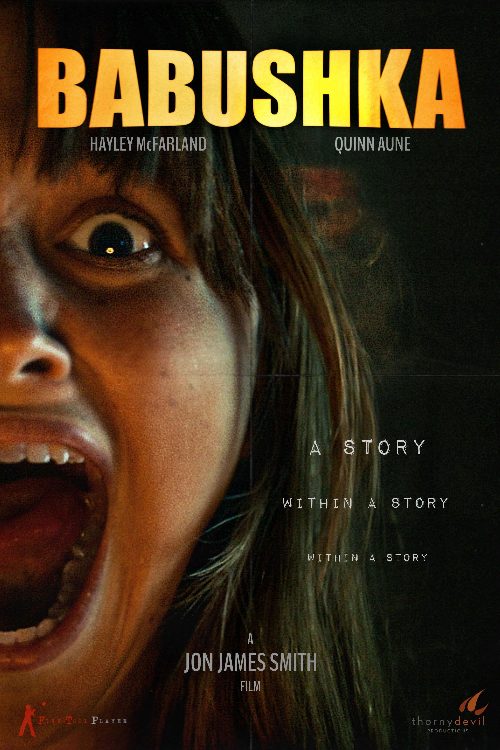
A possessed Babushka doll unleashes a nesting chain of malevolent entities, forcing a mother and her young daughter to confront a legacy of generational trauma—unfolding through a narrative structured like the doll itself.
The psychological weight of inherited pain takes on a terrifying physical form in the upcoming horror film Babushka, a production that toys with the concept of recursion to dismantle the domestic sanctuary. Director Jon James Smith crafts a narrative environment where the traditional nesting doll serves as a conduit for ancient malice, effectively mirroring the layers of psychological concealment often found in fractured family dynamics. By utilizing the iconic silhouette of the Russian folk object, the film positions itself as a cerebral entry in the genre, moving beyond simple jump scares to explore how suppressed histories eventually surface to haunt the present. This structural choice, where each layer of the narrative peels back to reveal a more deeply entrenched threat, suggests a sophisticated approach to pacing that distinguishes the project from the current wave of formulaic supernatural slashers.
The film relies on a focused cast featuring Hayley McFarland and Quinn Aune, whose performances appear central to anchoring the high-concept premise in a relatable human struggle. For audiences accustomed to the recent renaissance of elevated horror that prioritizes atmospheric tension over gore, Babushka promises a thematic depth that resonates with modern viewers interested in the intersection of folklore and psychological realism. While the project is set within the English-language market, its reliance on a universally recognizable cultural relic invites comparisons to global cinema trends where traditional artifacts are repurposed to examine contemporary anxieties. This aesthetic decision to lean into the uncanny nature of childhood toys ensures that the film taps into a primal sense of unease, making it a mandatory watch for fans of slow-burn suspense.
As the industry continues to pivot toward stories that blend mythic archetypes with domestic drama, this film seems poised to capture the attention of those who appreciate horror as a vehicle for exploring complex familial bonds. By framing the supernatural elements as a manifestation of long-standing internal conflicts, the creative team avoids the trap of generic antagonism in favor of something more personal and devastating. Whether through its innovative structural conceit or the claustrophobic tension generated by its central mystery, the work stands out as a compelling experiment in dread. It is an ideal pick for those who prefer their cinema to linger in the mind long after the credits roll, offering a haunting meditation on how the past refuses to stay buried, regardless of how many layers we attempt to place over it.