About Bad Boy Bubby
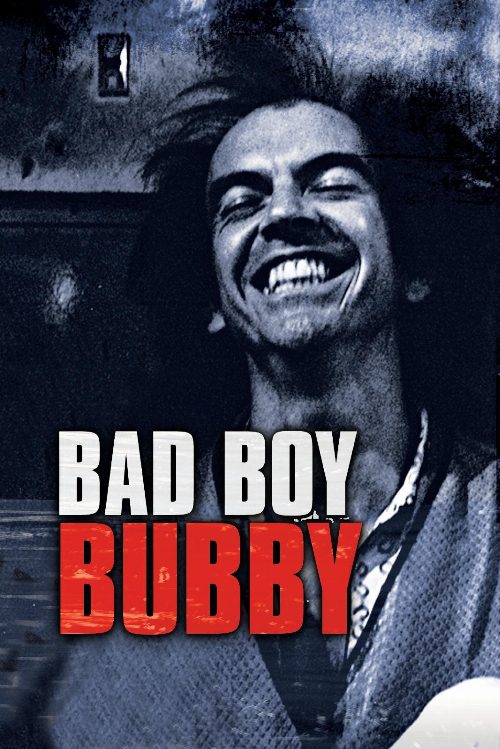
Bad Boy Bubby is just that: a bad boy. So bad, in fact, that his mother has kept him locked in their house for his entire thirty years, convincing him that the air outside is poisonous. After a visit from his estranged father, circumstances force Bubby into the waiting world, a place which is just as unusual to him as he is to the world.
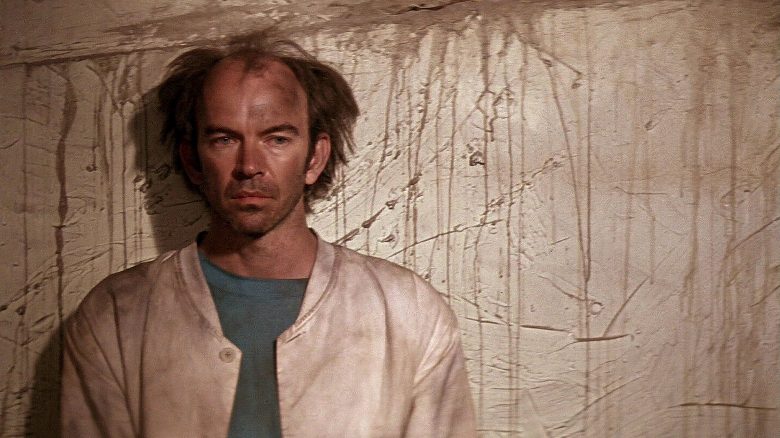
Trapped within the stifling confines of a windowless room for three decades, a man emerges into a reality he was never meant to witness. Rolf de Heer crafted a cinematic experience that defies easy categorization, blending the grotesque with the oddly poignant. At its core, the narrative functions as a brutal social experiment, forcing viewers to perceive the mundane elements of modern life through the eyes of a protagonist who possesses the vocabulary of a child and the physical maturity of a middle-aged man. While the film originates from Australian independent cinema rather than the vibrant landscapes of the Indian film industries, its daring approach to taboo themes and character-driven eccentricity mirrors the bold, experimental spirit currently seen in the works of boundary-pushing auteurs across the globe.
The film stands out for its uncompromising commitment to its unsettling premise. Nicholas Hope delivers a performance of remarkable intensity, grounding the absurdity of his environment with a raw, visceral presence. Because the story is told through the lens of a man who has been conditioned to fear the atmosphere itself, the audience experiences a sensory overload that makes even a simple street scene feel alien and dangerous. It is a challenging watch that will likely appeal to fans of dark, subversive dramas who appreciate cinema that lingers in the mind long after the credits roll. Those who enjoy the gritty, unconventional storytelling often found in contemporary Malayalam or indie Hindi cinema will find a kindred spirit in the way this film treats its marginalized central figure.
De Heer avoids the trap of making this a simple tale of liberation, choosing instead to explore how institutionalized trauma shapes an individual’s interaction with society. There is a strange, dark humor embedded in the way the protagonist mimics the behaviors of those he encounters, reflecting our own societal norms back at us in distorted, uncomfortable ways. By discarding traditional narrative comfort, the production demands a high level of engagement from its audience. It remains a benchmark for transgressive filmmaking, serving as a reminder that the most profound stories are often those that refuse to play by the rules of conventional morality or cinematic pacing. For the seasoned viewer seeking something truly distinct from the mainstream, this remains an essential, if deeply disturbing, piece of international cult history.
Cast(16)