About Bambi: The Reckoning
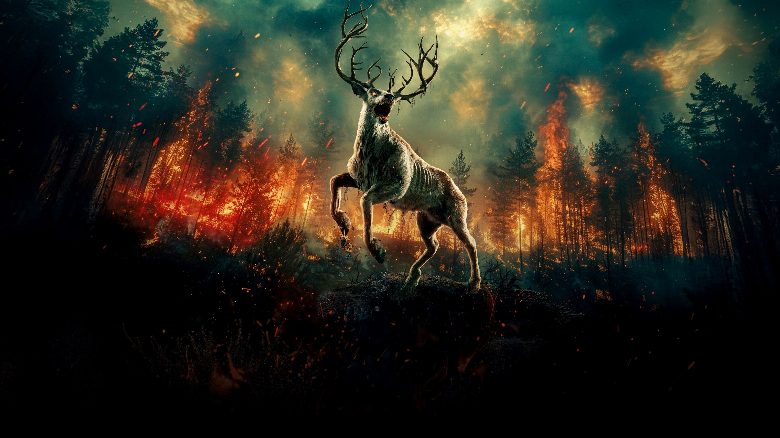
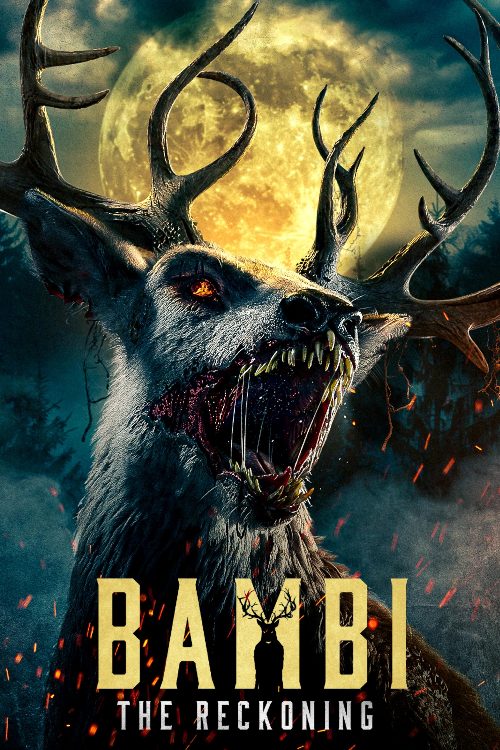
After a mother and son get in a car wreck, they soon become hunted by Bambi, a mutated grief-stricken deer on a deadly rampage seeking revenge for the death of his mother and wife.
Few cinematic subgenres have seen as much recent innovation as the twisted fairy tale, a trend that continues with the arrival of Bambi The Reckoning. While international audiences are increasingly accustomed to seeing beloved childhood icons reimagined through the lens of slasher horror, this production takes a particularly visceral approach to the concept. By transforming a gentle forest dweller into a formidable engine of destruction, the film taps into the primal fear of nature fighting back against human intrusion. The narrative follows a grieving mother and her young son who find themselves stranded after a vehicular accident, only to realize that the woods are occupied by a creature driven by a singular, violent purpose. It is a stark departure from the whimsical origins of the character, positioning itself as a high-stakes survival thriller that leans heavily into practical creature effects and mounting psychological dread.
For fans of the current wave of gritty, public-domain horror reimaginings, this project offers a distinct flavor of carnage. It belongs to a growing niche of films that dismantle nostalgic comfort, replacing innocence with the raw intensity of a monster movie. The performances, led by Roxanne McKee and Tom Mulheron, are tasked with grounding the absurd premise in genuine terror, ensuring that the audience remains invested in their narrow chances of survival. The direction emphasizes atmosphere over mere jump scares, creating an environment where the dense foliage feels just as suffocating as the antagonist pursuing the protagonists. It is an ideal watch for viewers who enjoy creature features that prioritize suspenseful pacing and the unsettling transformation of familiar imagery into something unrecognizable and lethal.
As global cinema continues to blur the lines between folklore and contemporary horror, this film stands out for its commitment to a darker, more vengeful mythology. While Indian cinema audiences are well versed in high-concept mythological horror and supernatural thrillers, the aesthetic of this international production provides a different kind of tension. It avoids the theatricality often found in regional horror dramas, opting instead for a leaner, more claustrophobic experience that thrives on the isolation of its characters. Whether one views it as a subversive commentary on human cruelty or simply as a relentless chase film, the production succeeds in establishing a unique identity within the crowded horror landscape. It is a bold entry that asks viewers to leave their childhood memories at the door and prepare for a relentless struggle for survival against an adversary that refuses to be ignored.
Cast(14)