About Blackbird
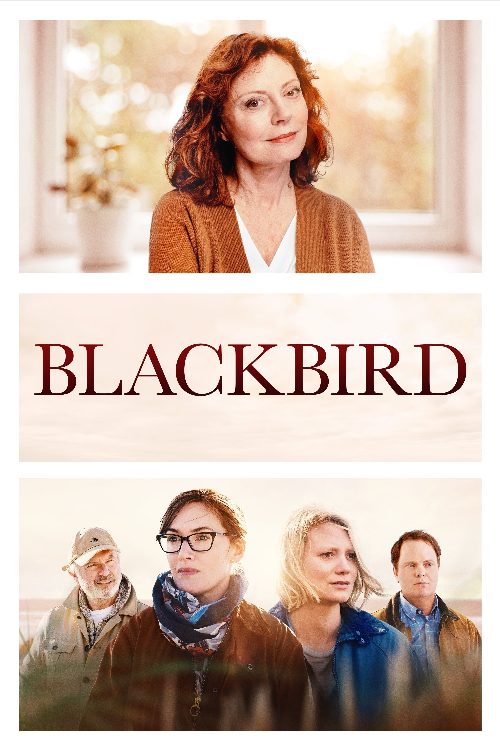
A terminally ill mother invites her family to their country house for one final gathering, but tensions quickly boil over between her two daughters.
The quiet intensity of a final family reunion serves as the backdrop for Blackbird, a poignant English-language drama that explores the delicate intersection of mortality and domestic resentment. Eschewing the typical tropes of terminal illness narratives, the film focuses on the emotional friction between two sisters as they navigate the complexities of their mother’s decision to dictate the terms of her own departure. By gathering her loved ones at a secluded rural estate, the matriarch forces a confrontation that is less about the impending loss and more about the long-standing cracks in their shared history. It is a masterclass in restrained storytelling, where the weight of unspoken grievances carries as much gravity as the central premise itself.
Director Roger Michell brings a sophisticated, observational eye to this adaptation, grounding the high-stakes emotional environment in performances that feel lived-in and authentic. For audiences accustomed to the high-octane energy of current Indian cinema, particularly the intricate family sagas frequently explored in Malayalam and Telugu dramas, Blackbird offers a distinct shift in pace. While our domestic industries often favor grand emotional crescendos and sprawling multi-generational conflicts, this film opts for a chamber-piece approach. It is a quintessential choice for viewers who appreciate nuanced acting and the slow-burning tension of a domestic landscape where every dialogue exchange feels like a potential catalyst for a breakthrough or a breakdown.
The ensemble cast anchors the film with a collective vulnerability that makes the experience deeply moving without ever slipping into overt melodrama. Susan Sarandon delivers a performance of remarkable clarity, portraying a woman who is determined to maintain agency even as her physical strength wanes. Opposite her, the strained dynamic between her daughters highlights how grief can act as a magnifying glass for old wounds. This is an essential watch for those who enjoy character-driven stories where the setting functions as an additional cast member, trapping the characters in their own history. Blackbird does not seek to provide easy answers to the ethical questions it raises, but rather invites the audience to sit with the discomfort of a family trying to reconcile their past before the future is permanently altered. It stands as a testament to the power of human connection, demonstrating that even at the end of a life, there is room for both profound sadness and startling, necessary honesty.