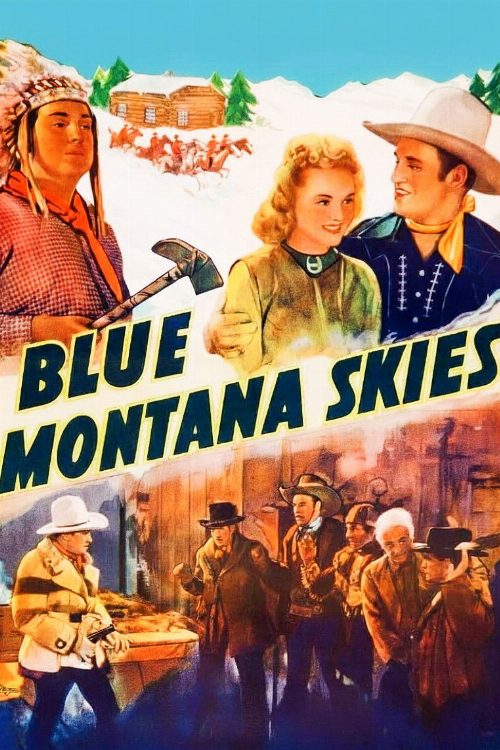
About Blue Montana Skies
Gene Autry follows a clue written on a rock by his murdered partner and discovers a fur smuggling operation near the Canadian border.
The golden era of the singing cowboy remains a fascinating study in American mythmaking, and Blue Montana Skies stands as a quintessential artifact from 1939 that captures the infectious charm of the musical western. While modern audiences in the Indian film industry are accustomed to the high-octane integration of song and dance within action narratives, this classic demonstrates that the template for the musical hero was perfected decades ago in Hollywood. Gene Autry serves as the charismatic anchor here, utilizing his status as a radio sensation to blend genuine musical talent with the rugged persona required of a frontier lawman. The narrative hook centers on a grim discovery left by a fallen comrade, thrusting the protagonist into a high-stakes investigation involving illicit trade routes along the northern wilderness.
This film occupies a significant space in the history of genre cinema because it balances the gravity of a murder mystery with the lighthearted, rhythmic interludes that defined the B-movie circuit. Unlike the gritty, revisionist westerns that would emerge later, this production favors a clean-cut morality where the hero is as quick with a melody as he is with a lasso. For viewers who appreciate the stylistic evolution of regional Indian cinema, particularly the way Telugu and Tamil industries have historically utilized the star-driven musical format to heighten emotional stakes, this vintage entry offers a clear look at where those conventions found their initial footing. It is a lean, efficient piece of storytelling that prioritizes pacing and character archetype over complex psychological exposition.
Fans of retro cinema and those interested in the ancestry of the action-musical will find plenty to admire in how director B. Reeves Eason manages the transition between tense outdoor skirmishes and the musical set pieces. The presence of Glenn Strange and Edmund Cobb adds a layer of authentic menace that helps ground the more whimsical elements of the production. As we look back at these foundational works, it becomes clear why the persona of the singing hero has remained so resilient across different cultures and decades. This film is highly recommended for anyone looking to understand the mechanics of classic Hollywood escapism, providing a nostalgic trip into a time when the moral compass of the silver screen was always pointed due north.
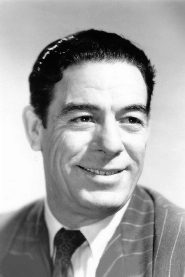
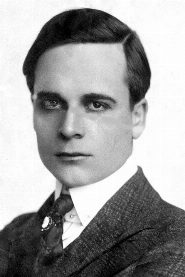
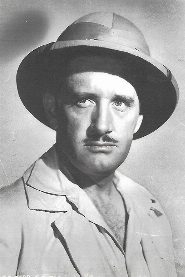
Cast(13)






Crew
Associate Producer
Assistant Director
Original Music Composer
Production Manager
Screenplay
Director of Photography
Director
Similar Films