About Bunshinsaba vs Sadako
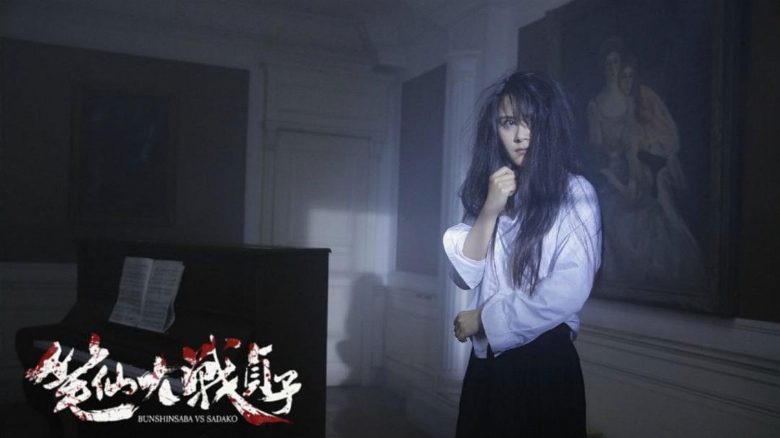
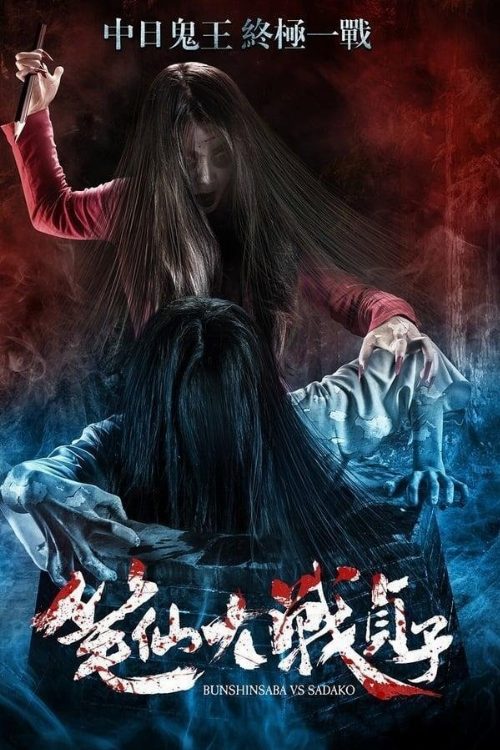
Han San bedroom with three sisters in high school, often slightly bullying sister, unbearable trio in retaliation for Pico, a section of the cursed video sent to her death, to death slightly. However, the three sisters could not escape the curse of Sadako ridden, bizarre roommate Lena died. Desperate two sisters, decided to ask for help to deal with Bunshinsaba Sadako, only to provoke another powerful evil spirits, the two Japanese ghost imminent war...
When the legends of two distinct horror traditions collide, the resulting cinematic experiment offers a fascinating look at the cross-pollination of supernatural folklore within Asian genre filmmaking. Released in 2016, Bunshinsaba vs Sadako functions as a high-concept collision between Korean-inspired spirit rituals and the iconic Japanese vengeful ghost mythology. Director River Huang taps into the anxieties of the digital age, framing the narrative around a group of high school students whose impulsive cruelty triggers a cycle of spectral retribution. By centering the story on a group of young women whose social dynamics turn deadly, the film leans into the familiar J-horror trope of the cursed medium—in this case, a digital video—that spreads like an infection, ensuring that no one involved in the initial transgression remains safe from the encroaching darkness.
For enthusiasts of regional horror, the film represents an interesting deviation from the typical standalone ghost story, attempting to raise the stakes by pitting two separate malevolent entities against each other. The premise is rooted in the idea that summoning one dark force to combat another creates a volatile vacuum of power, a common motif in supernatural thrillers that usually signals an escalation of chaos rather than a solution. While the film draws heavily from the atmosphere of late nineties and early aughts Asian horror, it updates the presentation for a modern audience, emphasizing the claustrophobia of shared living spaces and the inescapable nature of online torment. It is a work that clearly aims to capitalize on the enduring popularity of iconic horror figures, repositioning them as combatants in a larger, more aggressive struggle.
This feature is best suited for viewers who enjoy the stylized, tension-heavy pacing of international horror and who appreciate a narrative that prioritizes escalating supernatural threats over grounded realism. It is not necessarily a film that seeks to reinvent the mechanics of the haunting genre, but rather one that celebrates the tropes that made these specific spirits global icons. By shifting the focus toward a battle of ghosts, the film positions itself as a curiosity for genre completists and those interested in how contemporary Asian cinema repackages legacy characters for a new generation. While the performances by the ensemble cast navigate the increasingly desperate circumstances of the plot, the true draw remains the spectacle of seeing two legendary manifestations of malice forced into an uneasy proximity. It serves as a reminder of how effectively the themes of regret and vengeance can be exported and recontextualized across different cultural landscapes.