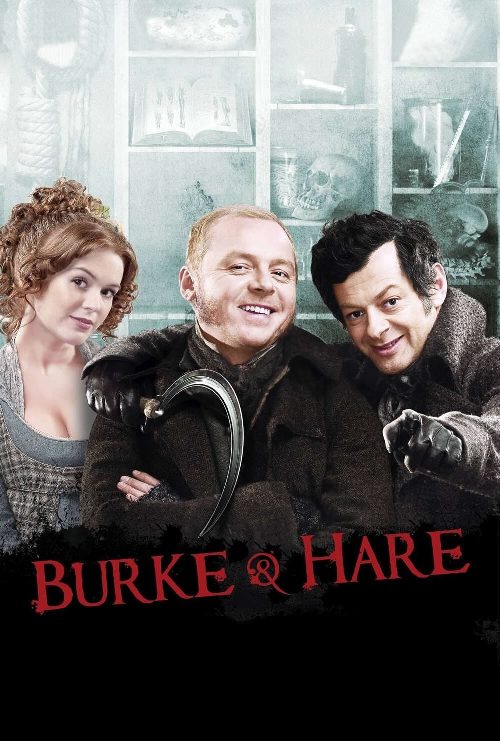
Burke & Hare(2010)
About Burke & Hare
Two 19th-century opportunists become serial killers so that they can maintain their profitable business supplying cadavers to an anatomist.
Burke and Hare serves as a darkly humorous reimagining of the infamous 19th-century Edinburgh body snatching scandal, blending macabre historical reality with the rapid-fire comedic sensibilities synonymous with British cinema. Directed by John Landis, the film leans heavily into the absurdity of its source material, transforming a gruesome chapter of medical history into a romp that feels far more interested in the folly of human greed than in the mechanics of terror. By positioning its two leads as desperate entrepreneurs rather than cold-blooded villains, the narrative carves out a niche that balances slapstick antics against the grim backdrop of Victorian anatomical research. For viewers who enjoy the intersection of period-accurate production design and dry, cynical wit, this feature offers a refreshing departure from standard horror tropes.
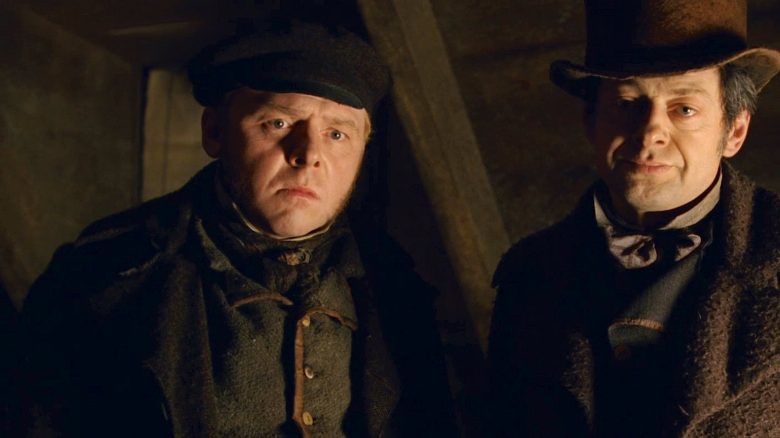
Simon Pegg and Andy Serkis anchor the project with a dynamic chemistry that elevates the script, grounding the chaotic progression of events in a believable, if morally bankrupt, partnership. The film excels at portraying the tension between scientific advancement and the ethical vacuum required to fuel it, a theme that resonates even within the broader landscape of contemporary global cinema where stories of moral ambiguity are increasingly popular. While it draws inspiration from a specific era of Scottish history, its focus on the desperate pursuit of financial stability through unconventional means mirrors universal themes often explored in regional Indian cinema, where characters frequently find themselves navigating complex social hierarchies to survive. The supporting cast, featuring heavyweights like Tom Wilkinson and Christopher Lee, adds a layer of gravitas that prevents the proceedings from drifting too far into pure farce.
Audiences looking for a film that avoids the jump scares of modern horror in favor of a witty, character-driven narrative will likely find much to admire here. It is a work that thrives on its own eccentricities, favoring comedic timing and period atmosphere over gore. For those familiar with John Landis’s penchant for genre-bending, this film fits neatly into a filmography that has long sought to subvert audience expectations through irony and sharp dialogue. It functions best as an evening watch for those who appreciate a narrative that refuses to take itself too seriously, even when the subject matter involves the most solemn of human experiences. By treating the macabre with a wink, the film secures its place as a distinct entry in the dark comedy genre, providing a unique vantage point on a notorious historical footnote.
Cast(42)