About Careful How You Go
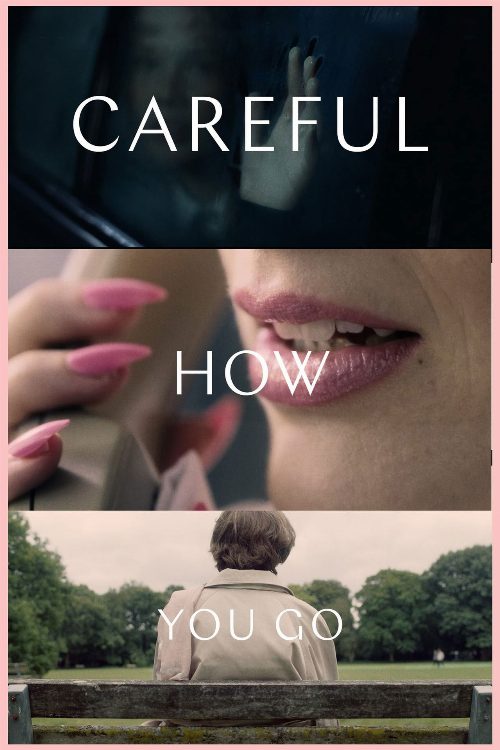
A darkly comic psychological horror, which visits three women as they indulge their taste for recreational cruelty.
The landscape of dark comedy often thrives when it explores the unsettling intersection of privilege and malice, a dynamic that Careful How You Go dissects with surgical precision. This 2018 production captures a specific brand of British cynicism, centering on a trio of women who derive a twisted sense of satisfaction from their manipulative games. Rather than leaning into conventional thriller tropes, the film positions itself as a character study of moral decay, where the primary conflict arises not from external threats but from the internal rot of protagonists who seem to have lost their capacity for empathy. It sits comfortably alongside the era of biting, female-led satire that challenged polite societal norms, serving as a reminder that the most dangerous individuals are often those hiding behind a veneer of casual indifference.
For audiences familiar with the sharp, observational wit of Phoebe Waller-Bridge, this project offers a glimpse into a specific creative period where she helped refine the art of the unlikable lead. While the Indian film industry frequently explores complex human motivations through high-stakes melodrama or stylized action, this English-language piece takes a quieter, more claustrophobic approach to human frailty. It is a quintessential pick for viewers who appreciate psychological tension over jump scares, as the narrative relies heavily on the uncomfortable chemistry between the lead performers. Charlotte Ritchie and Linda Bassett provide essential grounding for a story that could easily veer into the cartoonish, ensuring the stakes remain anchored in a recognizable, albeit deeply flawed, reality.
Those who gravitate toward indie cinema that prioritizes dialogue and subtext over grand spectacle will find plenty to dissect here. The film functions as an exercise in restraint, inviting the viewer to witness the escalating consequences of recreational cruelty without providing a moral safety net. It is a bold, albeit uncomfortable, exploration of how boredom and entitlement can manifest as genuine antagonism. By avoiding the typical redemption arcs found in more mainstream fare, the production demands that the audience sit with the unsettling nature of its characters. It remains a notable entry in the dark comedy genre, perfectly suited for those who find the complexities of human cruelty more compelling than any supernatural horror could ever hope to be.