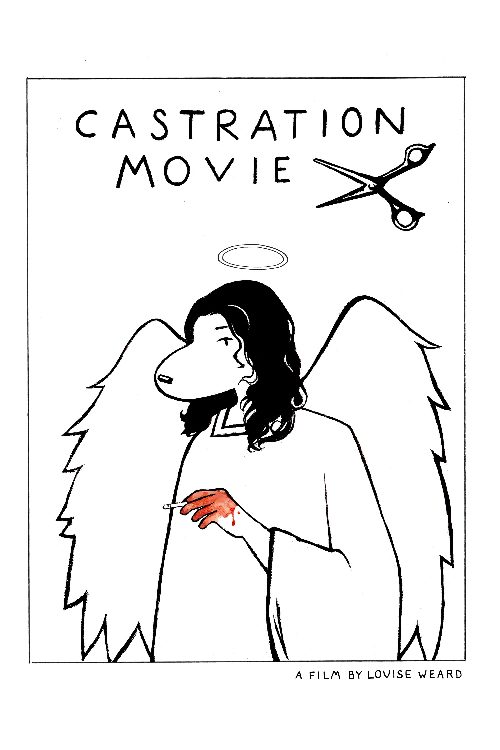
About Castration Movie Anthology i. Traps
Michaela 'Traps' Sinclair is a trans sex worker trying to get by in Vancouver while also mentoring her recently-out friend Adeline and making an attempt at pursuing actual motherhood. Meanwhile, lowly production assistant Turner finds himself dangerously spiraling into inceldom as his current relationship implodes.
The landscape of contemporary independent cinema often thrives when it dares to juxtapose the visceral edges of urban survival with the quiet, desperate search for human connection. In the anthology film Traps, the narrative lens shifts between the lived reality of a transgender sex worker navigating the complexities of mentorship and maternal longing, and the corrosive psychological decline of a man retreating into the toxic corners of internet subcultures. By weaving these disparate threads together, the film invites viewers into a raw, unfiltered exploration of identity and isolation. It is a bold departure from traditional anthology structures, choosing instead to anchor its thematic weight in the stark realities of modern Vancouver, where the glittering surface of the city frequently obscures the profound loneliness of its inhabitants.
This project feels particularly relevant in an era where global cinema is increasingly willing to tackle the nuances of gender, alienation, and the digital age. While the Indian film industries, from the sprawling narratives of Telugu cinema to the intimate realism of Malayalam productions, have been pushing boundaries with bold social commentaries, Traps offers an international perspective on similar themes of societal friction. The presence of Vera Drew, known for her subversive approach to character-driven storytelling, suggests that the film will likely balance its heavier dramatic beats with a sharp, satirical wit. Audiences who appreciate films that challenge moral comfort zones or those who enjoy the dark, character-focused indie dramas of the last decade will find this an essential watch. It does not aim for easy answers, preferring to linger on the uncomfortable gaps between who we are and who we are expected to be.
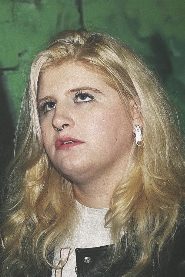
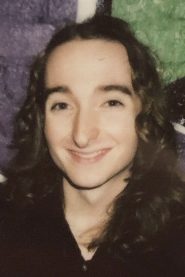
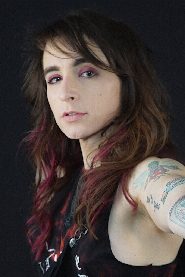
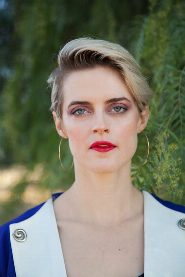
The cast, featuring performers like Lea Rose Sebastianis and Louise Weard, grounds the high-concept premise in authentic human emotion. As the story unfolds, the contrast between the protagonist striving for a sense of permanence through motherhood and the secondary character crumbling under the weight of his own bitterness creates a compelling tension that keeps the audience off balance. This is not a film designed for passive viewing, but rather one that demands an active engagement with its shifting perspectives and biting observations on current social dynamics. By avoiding the typical traps of melodrama, the film positions itself as a vital piece of independent filmmaking for 2025, destined to spark conversation about the fragile nature of community and the dangerous allure of resentment in an increasingly fragmented digital world.
Cast(25)