About Chaos: The Manson Murders
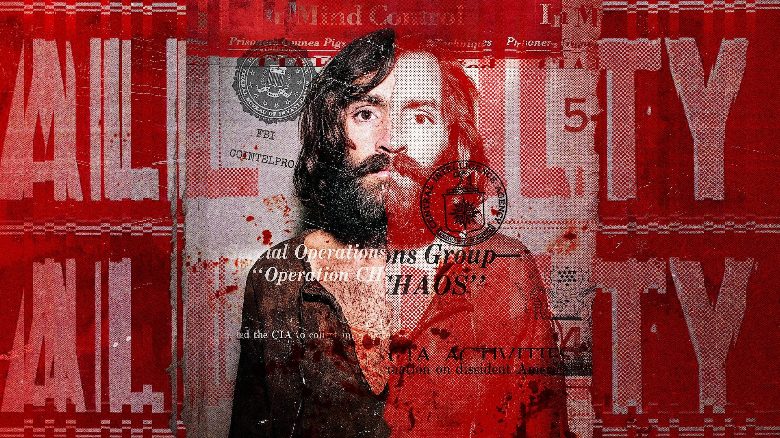
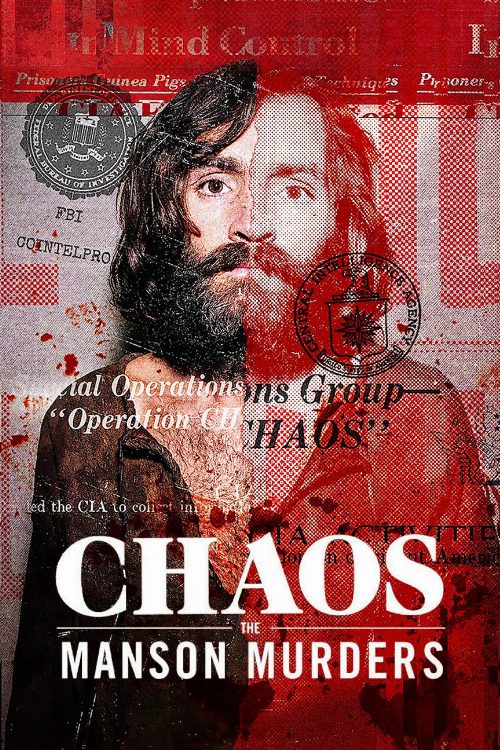
In August 1969, Charles Manson's followers killed seven people on his orders. Why? Explore a conspiracy of mind control, CIA experiments, and murder.
The cultural obsession with the 1969 Tate-LaBianca tragedies has persisted for over half a century, yet Chaos: The Manson Murders arrives with a distinctively modern investigative edge that separates it from standard true-crime retellings. Rather than settling for a surface-level recount of the horrific events that shattered the tranquility of late sixties Hollywood, this documentary positions itself as a deep-dive interrogation of systemic corruption and institutional secrets. By centering its narrative on the exhaustive research of journalist Tom O Neill, the film shifts the lens away from the familiar faces of the Manson family and toward the shadowy corners of government surveillance and potential clandestine experiments. This approach echoes the recent global appetite for investigative cinema that challenges the official historical record, a trend that has gained significant traction in contemporary documentary filmmaking as audiences increasingly demand more than just a chronological reenactment of well-documented tragedies.
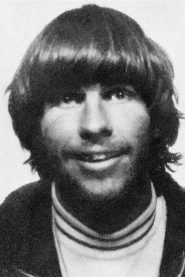
For viewers who admire the intricate, investigative style of films like Zodiac or the gritty skepticism found in hard-hitting political thrillers, this project offers a compelling synthesis of archival footage and modern analysis. It does not merely aim to shock; instead, it attempts to connect disparate dots that suggest the Manson phenomenon was not a singular act of madness but perhaps a symptom of a much wider, more unsettling agenda. The inclusion of figures like Stephen Kay provides a necessary bridge between the original legal proceedings and the modern inquiries that continue to plague the legacy of the case. By grounding the narrative in the perspective of those who spent decades pulling at these threads, the film gains an urgency that makes it feel less like a nostalgic look back and more like a live, ongoing investigation into a cold case that refuses to stay buried.
This documentary is tailored for an audience that appreciates the intersection of history and conspiracy, particularly those who find the dark underbelly of the sixties counterculture endlessly fascinating. As the global cinematic landscape continues to embrace darker, more complex crime narratives, this project stands out by refusing to offer easy answers or comforting resolutions. Whether the evidence presented will fundamentally alter the public perception of these events remains to be seen, but the film succeeds in maintaining a high level of tension throughout. It serves as a stark reminder that even the most famous stories can harbor hidden dimensions, provided one is willing to look beyond the established archives and into the darker, less visible machinery of the past.
Cast(21)