Chappaquiddick(1994)
About Chappaquiddick
BBC investigation documentary on the Chappaquiddick incident, which proposes an alternative explanation to the death of Mary Jo Kopechne in Senator Ted Kennedy’s car in 1969
The shadow of the Kennedy dynasty has long loomed over American political history, yet few chapters remain as haunting or as debated as the tragic events of July 1969. While mainstream media often glossed over the finer details of the fateful night on Chappaquiddick Island, this 1994 investigation documentary seeks to peel back the layers of a narrative that once felt settled. By shifting the focus away from the polished veneer of power, the film reconstructs the timeline surrounding the death of Mary Jo Kopechne with a sharp, inquisitive eye. It serves as a fascinating companion piece for audiences who appreciate the rigorous, investigative style of modern political thrillers, presenting a meticulous breakdown of the evidence that challenges the established historical record.
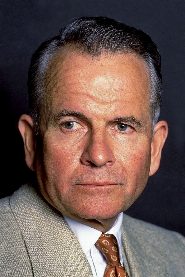
For viewers who follow global cinema, particularly those accustomed to the investigative grit found in contemporary Indian political dramas that often dissect corruption and systemic cover-ups, this documentary offers a compelling Western parallel. It captures that specific tension where the personal lives of the elite collide with their public responsibilities, leaving behind a trail of unanswered questions. The production does not merely recount the accident; it positions itself as an alternative voice, inviting the audience to act as jurors in a case that many believed had been closed decades prior. The inclusion of figures like Ian Holm adds a gravity to the proceedings, grounding the speculation in a style of storytelling that values historical inquiry over mere sensationalism.
This film is essentially a must-watch for those fascinated by the mechanics of power and how influential families navigate the fallout of personal tragedy. It stands out because it eschews the typical biographical fluff, opting instead for a cold, forensic approach that feels ahead of its time. By examining the discrepancies between the official reports and the physical reality of the incident, the documentary taps into the universal human desire to uncover the truth behind closed doors. It is an essential watch for history buffs, political junkies, and anyone who enjoys a film that refuses to take the dominant narrative at face value, proving that even the most protected figures are not immune to the scrutiny of time. Whether viewed as a piece of journalism or a cinematic interrogation of history, it remains a potent reminder of how one night can alter the trajectory of a political legacy forever.