About Chariots of Fire
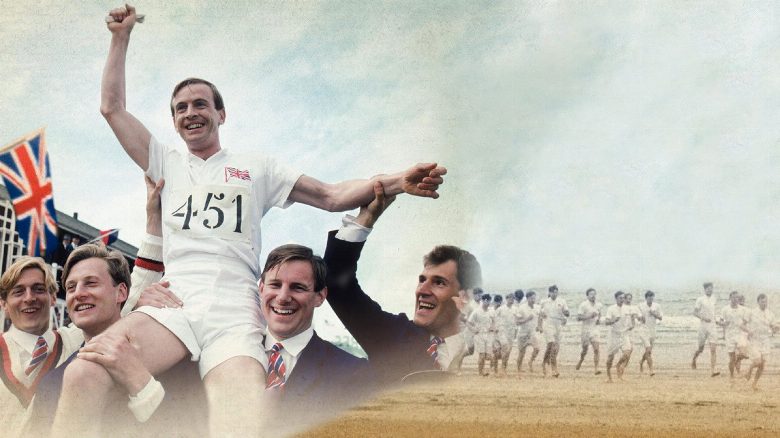
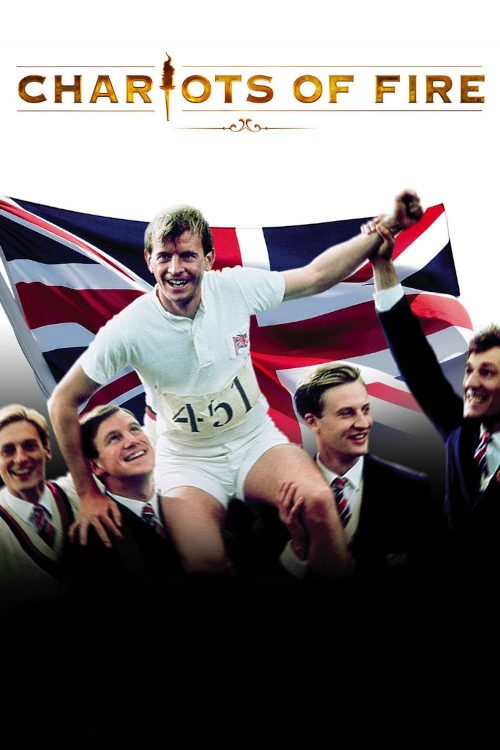
In the class-obsessed and religiously divided UK of the early 1920s, two determined young runners train for the 1924 Paris Olympics. Eric Liddell, a devout Christian born to Scottish missionaries in China, sees running as part of his worship of God's glory and refuses to train or compete on the Sabbath. Harold Abrahams overcomes anti-Semitism and class bias, but neglects his beloved sweetheart in his single-minded quest.
Few cinematic experiences capture the intersection of personal conviction and national ambition as elegantly as the 1981 British classic Chariots of Fire. While modern audiences often associate sports dramas with the high octane intensity of contemporary hits like Jersey or Bhaag Milkha Bhaag, this period piece offers a more cerebral exploration of athletic triumph. Set against the rigid social hierarchies of post-World War I Britain, the story follows two disparate men whose paths converge on the track. One is driven by a deep spiritual obligation that transcends the sport itself, while the other fights to dismantle the systemic prejudices that threaten to relegate his talents to the margins of elite society. By focusing on the internal battles of its protagonists rather than just the physical exertion of the race, the film elevates a standard sports narrative into a profound meditation on integrity.
For viewers accustomed to the emotional scale of South Indian cinema, where the hero often embodies a singular, larger-than-life cause, this film provides an interesting contrast. It mirrors the thematic depth found in the best of the Malayalam or Telugu industries, where character-driven conflicts frequently take precedence over spectacle. The film is perfectly suited for those who appreciate historical dramas that emphasize the psychological weight of honor, faith, and societal standing. It moves with a deliberate, rhythmic pace that reflects the discipline of its subjects, making it a staple for anyone interested in the technical mastery of filmmaking from the early eighties. The interplay between the two leads is particularly effective, showcasing how different motivations can drive individuals toward the same finish line while maintaining their unique moral centers.
The enduring relevance of the project lies in its refusal to simplify the challenges faced by its leads. Instead of offering an easy path to glory, the script highlights the heavy costs of ambition and the necessity of standing firm in one’s beliefs even when institutions demand compromise. It is a testament to the power of human spirit, capturing a moment in time where personal identity was inextricably linked to national representation. Whether you are a fan of classic international cinema or simply looking for a story that interrogates the ethics of competition, the film remains a landmark achievement. Its legacy persists because it understands that the most significant races are often those we run against our own limitations and the expectations of a world that would prefer we stay within our prescribed lanes.
Cast(49)