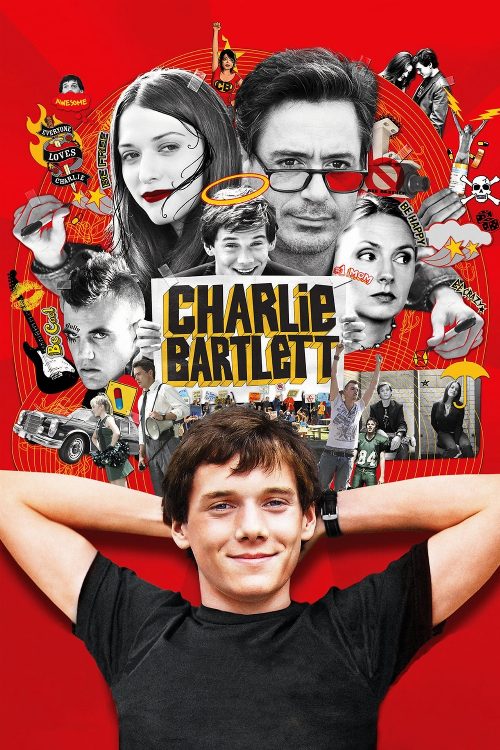
About Charlie Bartlett
Awkward teenager Charlie Bartlett has trouble fitting in at a new high school. Charlie needs some friends fast, and decides that the best way to find them is to appoint himself the resident psychiatrist. He becomes one of the most popular guys in school by doling out advice and, occasionally, medication, to the student body.
The quintessential high school experience often revolves around the desperate quest for social standing, but Charlie Bartlett subverts this trope by transforming the traditional hierarchy into a makeshift clinical practice. Rather than trying to master the social ladder through sports or academic achievement, the titular protagonist maneuvers his way into the hearts of his peers by positioning himself as an unlicensed therapist. This premise creates a fascinating dynamic where the lines between teenage angst and professional intervention blur, offering a satirical look at how modern youth navigate their complex emotional landscapes. It is a film that captures the specific anxiety of being the new kid while injecting a dose of dark humor into the familiar setting of suburban education.
For audiences familiar with the vibrant storytelling found in contemporary Indian cinema, where coming of age narratives often grapple with parental expectations and societal pressures, this film provides a Western counterpoint that feels surprisingly resonant. Much like the character driven dramas that have gained traction across the Telugu and Hindi industries, the movie relies heavily on the charisma of its central performer to ground an otherwise outlandish situation. By focusing on the interplay between the protagonist and his diverse group of classmates, the director avoids falling into the trap of a standard teen comedy, opting instead for a character study that examines the human need for connection and validation. It captures that specific moment in life when young people begin to question the authority figures surrounding them while simultaneously seeking their own identity.
Viewers who appreciate sharp dialogue and themes that lean into the psychological complexities of youth will find much to admire here. The film is perfectly suited for those who enjoy stories that balance wit with genuine heart, moving away from slapstick to explore why a teenager would feel the need to medicate and counsel his own peers. It serves as an early showcase for the kind of quirky, offbeat charm that defined a specific era of independent filmmaking, making it a compelling watch for anyone interested in how high school environments serve as a microcosm for larger societal structures. By challenging the status quo, the protagonist inadvertently forces both the students and the administration to confront their own hidden vulnerabilities, proving that sometimes the best way to fit in is to act like you are the one in charge of the system.
Cast(39)