About Children of Divorce
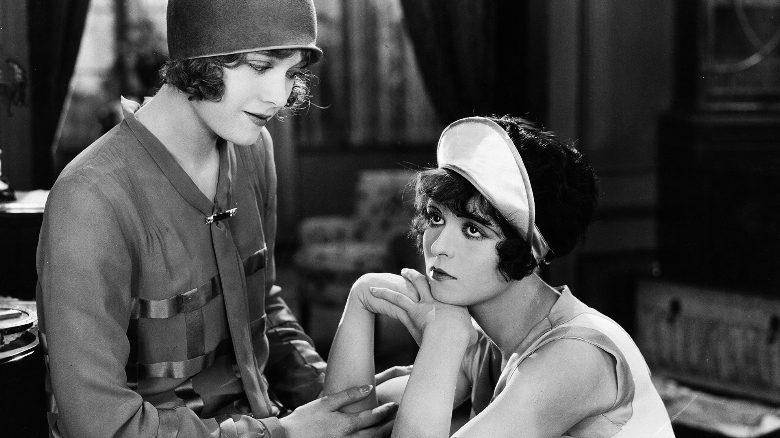
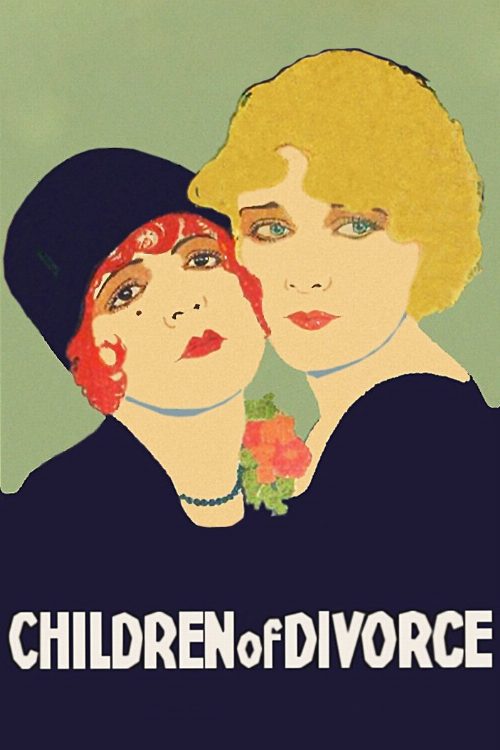
A young flapper tricks her childhood sweetheart into marrying her. He really loves another woman, but didn't marry her for fear the marriage would end in divorce, like his parents'. Complications ensue.
The Roaring Twenties offered a unique cinematic landscape where the crumbling foundations of traditional domesticity were frequently explored through the lens of high society melodrama. Frank Lloyd, a director known for his ability to handle grand emotional stakes, brings a distinctive touch to Children of Divorce, a silent era artifact that captures the existential dread of a generation haunted by their parents failed unions. While modern viewers might be accustomed to the frenetic energy of the Jazz Age, this film provides a more contemplative look at how the scars of a fractured household can dictate the romantic choices of young adults. It stands as a fascinating time capsule of the era, contrasting the reckless persona of the flapper with the underlying fragility of characters who are terrified of repeating the past.
The narrative centers on a complex web of affection where commitment is treated with both desperate desire and paralyzing hesitation. By positioning the fear of divorce as the primary antagonist to true love, the film elevates a standard romantic triangle into a psychological study of inherited trauma. Clara Bow delivers a performance that balances her signature vivacity with the manipulative impulses of a woman fighting for stability in an unstable world, while Gary Cooper brings a reserved, brooding quality to his role as a man caught between his heart and his anxieties. This dynamic creates a tense atmosphere where the audience is left to question whether the pursuit of security is ultimately more destructive than taking a risk on genuine passion.
For those who appreciate the evolution of early Hollywood storytelling, this feature offers a glimpse into how silent cinema navigated themes of social disillusionment. It is particularly rewarding for fans of classic melodrama who enjoy seeing the origins of tropes that would later dominate mid-century domestic dramas. The film feels remarkably modern in its assertion that past experiences cast a long shadow over present decisions, making it a compelling watch for anyone interested in the psychological underpinnings of pre-code era romance. As the plot unfolds, it challenges the viewer to consider whether love can survive when it is built on a foundation of defensive maneuvers rather than honest vulnerability. Given the talent involved, it remains a notable entry in the filmographies of its iconic leads, serving as a reminder that the anxieties surrounding marriage and separation are timeless human preoccupations that have long fueled the most captivating stories on screen.
Cast(19)