About Cholo
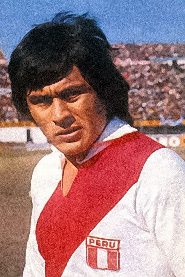
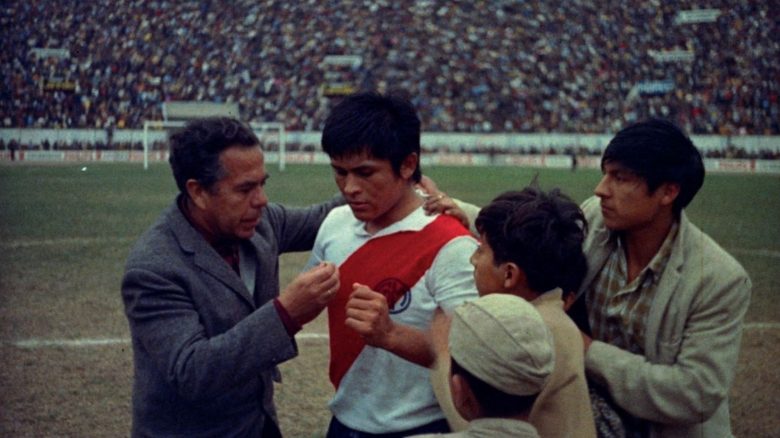
The story of Hugo, a young Andean Peruvian man who begins to question his own roots and future after a trip across Europe, full of culture and knowledge without prejudices, opens his mind. Starring the real Hugo Sotil, one of the best and most successful Peruvian soccer players of the 70's, known as "El Cholo".
Bernardo Batievsky captured a transformative moment in Peruvian cultural identity with Cholo, a film that remains a fascinating artifact of early seventies South American cinema. By casting the legendary soccer icon Hugo Sotil as a fictionalized version of himself, the director moved beyond the standard sports biopic to explore the internal friction between indigenous heritage and the allure of global fame. The narrative follows a young man from the Andes who experiences a profound paradigm shift after traveling through Europe, where he encounters a society seemingly unburdened by the rigid social hierarchies of his homeland. This journey serves as a catalyst for an existential crisis, forcing the protagonist to confront the distance between his humble origins and the glittering, modern world he has tasted abroad.
For audiences familiar with the diverse landscapes of Indian cinema, this film offers a poignant parallel to stories of migration and identity that frequently populate Telugu or Malayalam dramas. Much like the protagonists in films that navigate the divide between rural tradition and urban ambition, the character of Hugo represents a bridge between two worlds. The inclusion of real-life athletes in prominent roles was a bold stylistic choice for the era, adding a layer of raw authenticity that grounds the film in the gritty reality of the period. The performance of Hernan Romero and the presence of Sotil himself create a unique chemistry that elevates the production from a simple character study into a broader reflection on the societal expectations placed upon those who rise from obscurity to national heroism.
Viewers who appreciate introspective character studies and historical snapshots will find much to admire here. The film is perfectly suited for cinephiles interested in how global sports figures are mythologized and the subsequent toll that status takes on their personal lives. While it is firmly rooted in the Peruvian landscape, the themes of self-discovery and the questioning of ones cultural roots are universal, making it a compelling watch for anyone interested in the intersection of personal growth and national pride. By avoiding the typical hero worship associated with sports films, Batievsky creates a space for a more nuanced look at the immigrant experience and the inevitable disillusionment that comes with returning home after seeing the world. It serves as a reminder that even for a sporting legend, the hardest journey is often the one that leads back to the heart of one's own identity.