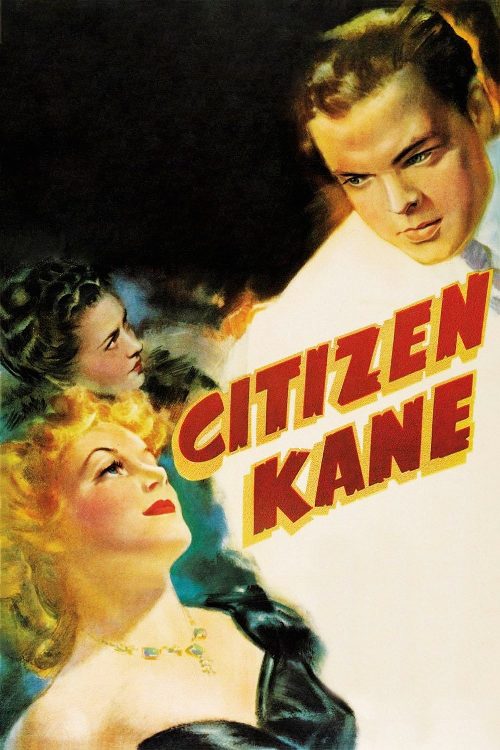
Citizen Kane(1941)
“Some called him a hero...others called him a heel.”
About Citizen Kane
Newspaper magnate Charles Foster Kane is taken from his mother as a boy and made the ward of a rich industrialist. As a result, every well-meaning, tyrannical or self-destructive move he makes for the rest of his life appears in some way to be a reaction to that deeply wounding event.
Few works in the history of global cinema have cast a shadow as long or as complex as this 1941 masterpiece, a film that essentially wrote the visual vocabulary for the modern psychological drama. While contemporary audiences might be accustomed to the non-linear storytelling and fractured perspectives seen in high-concept Telugu thrillers or the experimental narratives emerging from the Malayalam industry, this film was a radical departure from the rigid chronological structures of its own era. It functions as a grand investigation into the emptiness of unchecked ambition, presenting the life of a media tycoon not as a straightforward biography, but as a fragmented puzzle. The narrative unfolds through the eyes of those who knew the protagonist, creating a Rashomon-like experience that forces the viewer to reconcile the public figure with the private man.
The brilliance of the film lies in its refusal to offer a simple verdict on its central character. Much like the complex, morally grey protagonists often found in modern Indian noir, the lead figure is neither a saint nor a total villain. He is a man shaped by an early, forced separation from his family, an event that sets him on a path of relentless accumulation and control. For viewers who appreciate the slow-burn intensity of character-driven cinema, this movie provides a masterclass in how to build tension through cinematography and staging rather than mere action. The technical innovations, particularly the use of deep focus and low-angle shots, transformed how directors approach spatial storytelling, influencing generations of filmmakers who seek to ground grand emotional arcs in tangible, suffocating environments.
Those who enjoy films that demand active participation will find this essential viewing. It is not merely a story about a wealthy man; it is a profound meditation on the things money cannot buy and the childhood shadows that never truly fade. Its enduring relevance stems from its universal exploration of legacy and the human desire to be remembered, a theme that resonates just as strongly in today's era of viral media and public image management as it did over eighty years ago. Whether you are a student of classic Hollywood or a fan of the intricate character studies that define the best of contemporary regional Indian cinema, this film serves as a foundational text. It remains a haunting, visually stunning achievement that rewards repeat viewings, challenging the audience to look past the surface of success to find the fragile, lost soul hidden within the machinery of power.
Cast(105)