About Clerks
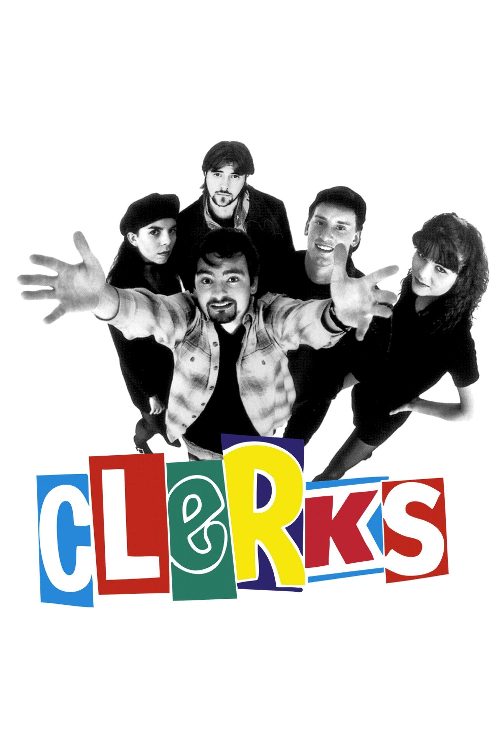
Convenience and video store clerks Dante and Randal are sharp-witted, potty-mouthed and bored out of their minds. So in between needling customers, the counter jockeys play hockey on the roof, visit a funeral home and deal with their love lives.
The landscape of low-budget independent cinema was forever altered when a black and white snapshot of suburban retail misery hit the screens in the mid-nineties. Clerks captures the mundane agony of two young men tethered to their respective service jobs, navigating a day defined by tedious transactions and existential dread. Unlike the high-gloss productions that dominated the era, this film thrives on the raw, unfiltered banter of its protagonists who transform the monotony of a convenience store into a stage for cynical observation. It is a quintessential portrait of the aimless youth culture that defined the nineties, where the lack of ambition was not a tragedy but a lifestyle choice.
For viewers accustomed to the grand emotional arcs found in contemporary Indian cinema, this film offers a radical departure through its commitment to gritty realism and conversational humor. While industries like Tollywood or Bollywood often lean toward sweeping narratives or high-octane spectacle, this project champions the beauty of the trivial. It mirrors the spirit of indie filmmakers globally who prove that a compelling story does not require elaborate sets, only sharp dialogue and relatable characters. The chemistry between the two leads is the engine that drives the narrative forward, making the mundane bickering feel like a profound meditation on the futility of the modern working life.
This film is a must-watch for those who appreciate character-driven storytelling where the plot takes a backseat to personality. It resonates particularly well with anyone who has ever spent a shift behind a counter wondering if there is more to life than stocking shelves and dealing with eccentric patrons. The director manages to turn a shoestring budget into a stylistic asset, utilizing the stark monochrome visuals to strip away any artifice, leaving only the biting wit and flawed humanity of the characters. It remains a foundational text for anyone interested in the history of independent movies, serving as a reminder that the most relatable dramas are often found in the most unremarkable settings. Those who enjoy sharp, irony-laden scripts and an authentic look at the transition into adulthood will find this experience both nostalgic and timeless. It stands as a testament to the power of a distinct creative voice cutting through the noise of mainstream entertainment, solidifying its place as a cult classic that continues to influence a new generation of storytellers who value authenticity over spectacle.
Cast(42)