About Code of the Range
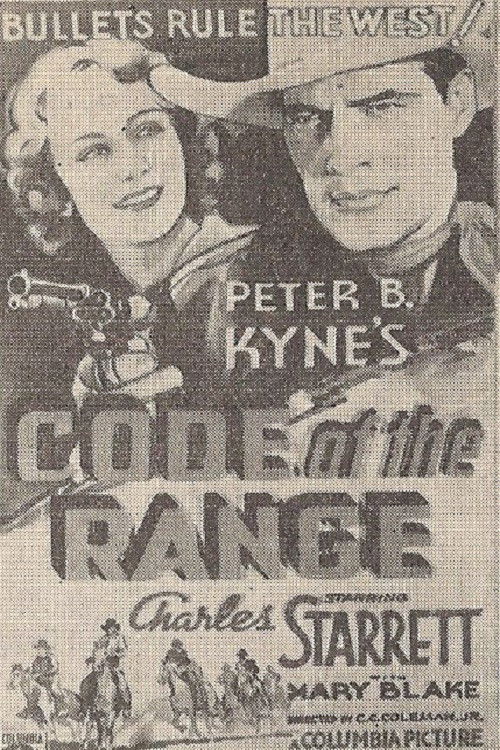
Ford Beebe's "original screenplay" (he had used it before) finds the cattlemen, headed by "Calamity" Parker, opposing the use of their rangelands by sheepherders, with cattlemen Lee Jamison and Ed Randall in the dissenting minority and they offer sheepman Angus McLeod free grazing privileges. Saloon owner Barney Ross offers to keep the sheepmen off of the range and out of town if each cattleman will pay $500.
The golden age of the American Western often relied on rigid archetypes, yet Code of the Range captures a specific brand of frontier tension that remains a staple of the genre. Directed by Charles C. Coleman during the mid-thirties, this production navigates the volatile friction between cattle ranchers and sheep farmers. While modern audiences might look toward the gritty, morally ambiguous landscapes of contemporary neo-Westerns or the stylized revenge sagas coming out of the Telugu and Kannada industries today, this vintage feature highlights the foundational roots of land-rights conflicts. By centering on the struggle for grazing territory and the underlying corruption of local power brokers, the film operates as a quintessential study of community upheaval and the cost of order in a lawless territory.
Charles Starrett anchors the narrative, bringing the stoic, resolute energy that defined his long and prolific tenure in low-budget Westerns. His performance provides a steady moral compass amidst the scheming of saloon proprietors and the bitter feuds escalating between the opposing agricultural factions. For viewers who appreciate the historical evolution of the genre, the film is an interesting artifact of how Depression-era Hollywood condensed complex socio-economic disputes into swift, action-oriented morality plays. It avoids the sprawling, epic pacing of later Westerns, instead favoring a lean, episodic structure that keeps the stakes high and the plot moving forward with urgency.
Those who enjoy classic cinema will find this a fascinating look at the tropes that eventually influenced global storytelling. The narrative structure—where a protagonist must navigate a divided town caught between greed and survival—bears a striking resemblance to the conflict-driven templates often seen in high-octane Indian commercial cinema. Whether it is a dispute over farmland in a rural Hindi drama or a standoff in a frontier town, the core human element remains identical. Code of the Range is an essential watch for enthusiasts of black-and-white era filmmaking who want to see how early directors balanced character dynamics with the limited technical constraints of the time. It is a brisk, straightforward entry that reflects the values and anxieties of an era when the frontier was still being mythologized on the silver screen.