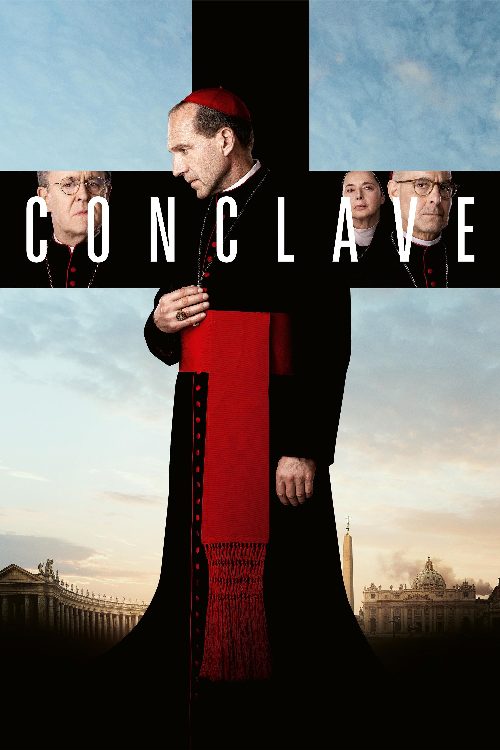
About Conclave
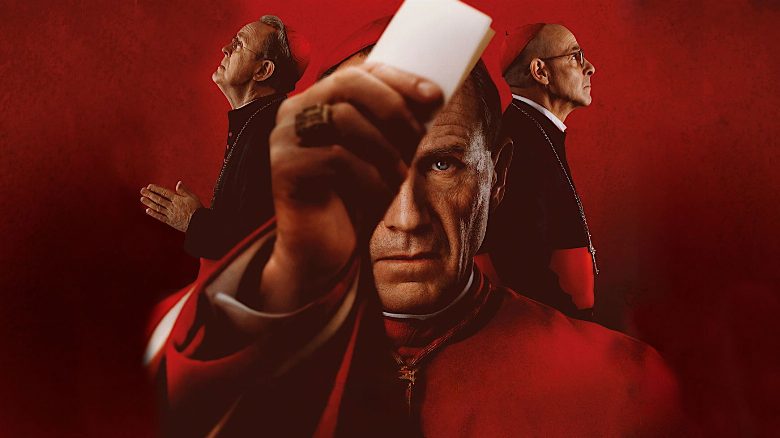
After the unexpected death of the Pope, Cardinal Lawrence is tasked with managing the covert and ancient ritual of electing a new one. Sequestered in the Vatican with the Catholic Church’s most powerful leaders until the process is complete, Lawrence finds himself at the center of a conspiracy that could lead to its downfall.
Few cinematic settings offer the inherent tension of a locked room where the fate of a global institution hangs in the balance. In Conclave, director Edward Berger shifts his focus from the visceral brutality of war to the calculated silence of the Vatican, crafting a political thriller that functions much like the high-stakes power struggles often seen in the most gripping regional Indian dramas. While the setting is distinctly European, the themes of succession, internal factionalism, and the erosion of tradition resonate deeply with audiences accustomed to the intricate narratives of South Indian political epics. The film strips away the ornamental grandeur of religious hierarchy to reveal the raw, human ambition lurking beneath the robes, positioning the Vatican not as a sanctuary, but as a pressure cooker of conflicting ideologies.
Ralph Fiennes anchors the narrative as the man tasked with overseeing the selection process, a role that demands a performance of immense restraint and simmering intellect. His character serves as our proxy through a labyrinth of secret ballots and whispered alliances, where every move is scrutinized for hidden agendas. For viewers who appreciate the methodical pacing of modern Malayalam cinema or the sharp, dialogue-driven confrontations found in contemporary Hindi political thrillers, this film offers a similar satisfaction. It is less concerned with theological debate than it is with the mechanics of influence, presenting a world where the most dangerous weapon is a well-timed rumor or a carefully placed piece of information. The film stands out for its commitment to claustrophobia, effectively using the architecture of the church to mirror the psychological entrapment of the cardinals.
This is a film for those who prefer their tension internal rather than explosive. It avoids the typical action tropes associated with international thrillers in favor of a cerebral examination of faith, integrity, and the corrupting nature of absolute power. By focusing on the administrative chaos that follows a sudden vacancy at the top, the story captures a universal anxiety about leadership transitions that feels particularly relevant in our current era of global uncertainty. It is a sophisticated piece of storytelling that trusts its audience to navigate the nuances of a complex, layered mystery without the need for constant exposition. For anyone who enjoys watching brilliant minds clash in a confined space, the film delivers a compelling, atmospheric experience that lingers long after the final vote is cast.
Cast(23)