About Crónica de una victoria
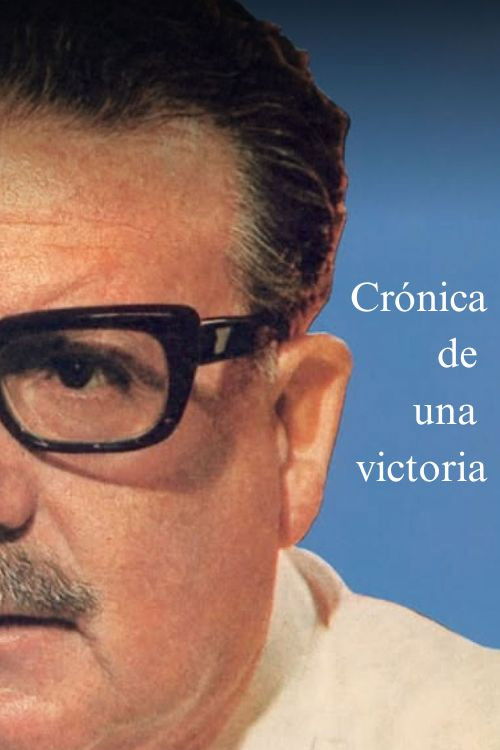
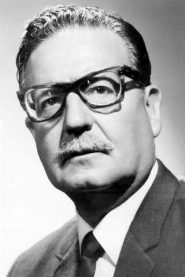
This documentary follows the 1970 Chilean elections, which resulted in the election of Salvador Allende. The footage reveals the political and social divisions in a country plagued by poverty, malnutrition, and homelessness. Allende, newly elected, reflects on his future government and his subsequent assassination. One could say that this footage became a chilling and prophetic chronicle of a death foretold.
Few historical artifacts capture the raw electrical charge of a nation on the brink of metamorphosis quite like the 1971 documentary Cronica de una victoria. Directed by Sergio Riesemberg, this project serves as a cinematic time capsule that bypasses the sterile distance of textbooks to offer an unfiltered look at Chile during the pivotal 1970 presidential race. While modern audiences often associate political filmmaking with polished retrospectives or dramatized biopics, this piece operates with a visceral, immediate intensity. By placing the viewer directly within the fervor of the campaign trail, it highlights the stark socio-economic landscape of the era, where systemic issues like hunger and housing instability defined the daily struggles of the citizenry. The film is not merely a record of an election but a study of the hope and trepidation that defined a society preparing for a radical ideological shift.
For enthusiasts of global cinema who appreciate the grit of vintage documentary filmmaking, this work offers a fascinating point of comparison to the political movements captured in other regional industries. Much like the socially conscious New Wave movements that periodically ripple through the Malayalam or Bengali film circuits, Riesemberg utilizes his camera as a tool for profound interrogation. The presence of Salvador Allende provides a central gravity to the narrative, as the newly elected leader articulates his vision for the country. There is a haunting quality to these moments; the candid nature of the footage transforms the film into a somber reflection on the fragility of democracy. It captures a leader at the threshold of his tenure, unaware of the tragic trajectory that would eventually consume his life and the political landscape of Chile.
This documentary is essential viewing for those interested in the intersections of historical memory and visual media. It stands out because it eschews the luxury of hindsight, choosing instead to linger in the uncertainty of a moment that would eventually become a defining chapter in twentieth-century politics. Viewers who enjoy political thrillers or archival documentaries will find the pacing and the candid interactions between the candidate and the public deeply absorbing. By focusing on the faces of the people and the speeches that ignited their passions, the film transcends its historical origin to speak to the universal cycle of political aspiration and decline. It remains a stark reminder that the most compelling human dramas are often those that unfold in the messy, unscripted reality of a changing nation.
Cast(2)

Crew
Director
Writer
Music
Similar Films