Cross of Iron(1977)
About Cross of Iron
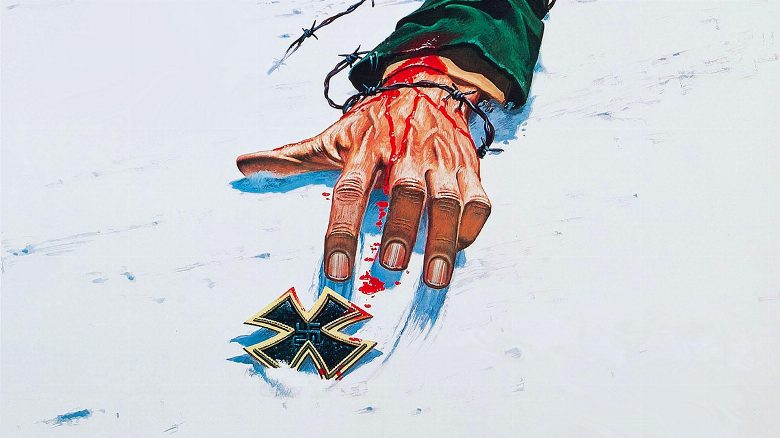
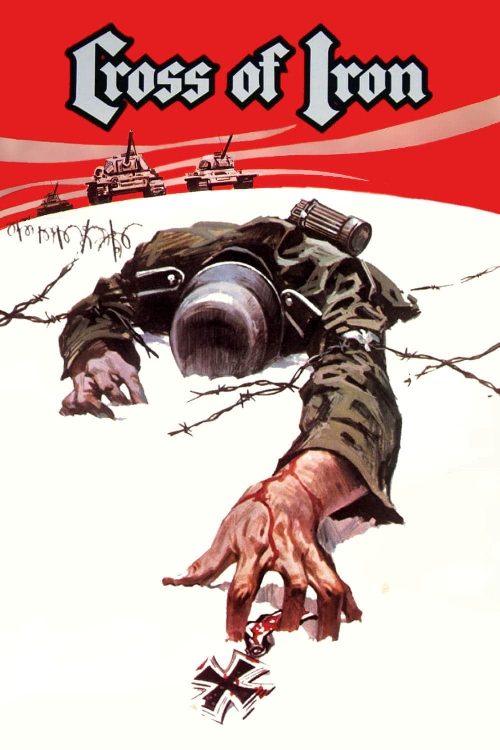
It is 1943, and the German army—ravaged and demoralised—is hastily retreating from the Russian front. In the midst of the madness, conflict brews between the aristocratic yet ultimately pusillanimous Captain Stransky and the courageous Corporal Steiner. Stransky is the only man who believes that the Third Reich is still vastly superior to the Russian army. However, within his pompous persona lies a quivering coward who longs for the Iron Cross so that he can return to Berlin a hero. Steiner, on the other hand is cynical, defiantly non-conformist and more concerned with the safety of his own men rather than the horde of military decorations offered to him by his superiors.
Sam Peckinpah stands as a titan of the kinetic, violent aesthetic, and his 1977 exploration of the Eastern Front remains one of the most visceral depictions of combat ever captured on celluloid. While contemporary Indian cinema has seen a surge in high-octane historical dramas that often emphasize nationalistic fervor or grand heroics, Cross of Iron offers a stark, chilling counterpoint by stripping away any semblance of glory from the battlefield. The film centers on the volatile friction between a career-obsessed officer who views war as a ladder to social prestige and a battle-hardened non-commissioned officer who has long since abandoned any illusions about the cause he serves. This clash of ideologies is not merely a subplot but the very engine of the narrative, highlighting how institutional ego often sacrifices the lives of the infantry for the sake of hollow medals and political posturing.
For audiences accustomed to the polished, stylized action sequences prevalent in modern Telugu or Hindi blockbusters, this film provides a gritty, unvarnished look at the reality of attrition. It belongs to a specific lineage of international war cinema that prioritizes character psychology over tactical maneuvering, making it an essential watch for those who appreciate the complex moral ambiguity found in films like the recent wave of gritty Malayalam survival dramas. The director employs his signature editing style to create a sense of relentless claustrophobia, ensuring that the viewer feels the weight of every shell burst and the exhaustion of every soldier on the line. It avoids the trap of glorifying the German perspective, instead presenting a decaying military machine fueled by the vanity of its leaders and the desperation of its grunts.
Viewers who admire films that explore the breakdown of human decency under extreme duress will find this a compelling, if harrowing, experience. It is not an easy watch, nor is it intended to be; it serves as a grim meditation on the absurdity of conflict and the moral rot that sets in when leadership values personal legacy over human survival. Those who follow the evolution of the war genre will recognize how heavily this work has influenced subsequent generations of filmmakers who seek to ground their action in the messy, often contradictory nature of human character. By focusing on the internal decay of the unit rather than the geopolitical strategy of the era, the story becomes a timeless indictment of the military hierarchy, remaining just as sharp and unsettling today as it was upon its original release.
Cast(24)