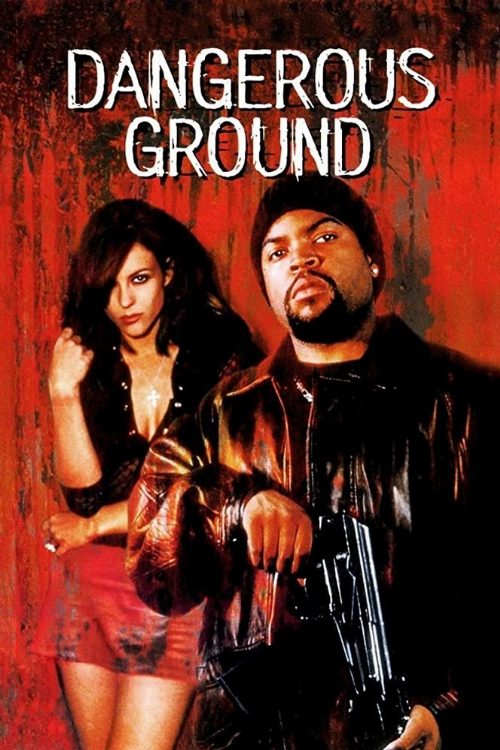
Dangerous Ground(1997)
About Dangerous Ground
Vusi Madlazi returns to the South African village he left as a young boy to bury his father. He meets up with his brother Ernest, who tells him their other brother Stephen couldn't be contacted. Vusi goes to Johannesburg to find him, but at first can only find his neighbor/girlfriend, Karin, a stripper. Vusi proceeds to learn how conditions have changed since the end of apartheid, not always for the better for black men.
Dangerous Ground serves as a gritty, unflinching time capsule of South Africa during the transition era, capturing the profound sense of displacement and social friction that defined the late nineties. While many international dramas of that period focused on political reconciliation, director Darrell James Roodt chooses a more visceral path, thrusting his protagonist into the neon-lit, lawless underbelly of Johannesburg. This film stands out by eschewing the typical heroic tropes of the post-apartheid narrative, opting instead to show the fractured reality of a country struggling to find its footing after decades of systemic oppression. For audiences who appreciate the raw intensity found in modern neo-noir or the socio-political examinations common in contemporary Indian crime dramas, this story offers a compelling look at the personal costs of societal upheaval.
The narrative journey centers on the search for a missing sibling, a classic trope that is elevated here by the stark contrast between the quiet, traditional life of the countryside and the volatile, urban chaos of the city. As the protagonist traverses this urban landscape, the film explores the harsh economic disparities and the lingering ghosts of a divided past that continue to haunt the present. It is a stark reminder of how rapidly environments can shift and how easily individuals can be swallowed by systemic neglect. Viewers who enjoy character-driven explorations of identity and the resilience of family bonds will likely find the emotional stakes here both familiar and deeply resonant.
This production remains a significant entry in the filmography of Darrell James Roodt, who frequently utilized his lens to confront the complexities of the South African experience. By focusing on the personal fallout of a changing national identity, the film provides a grounded perspective that avoids over-simplification. It is positioned as a taut psychological drama that expects its audience to engage with the uncomfortable realities of survival, moral ambiguity, and the search for belonging in a world that has fundamentally altered its rules. For those interested in world cinema that prioritizes atmosphere and thematic depth over polished spectacle, this work provides a hauntingly effective experience. It serves as a bridge between the historical dramas of the era and the hard-hitting investigative thrillers that have since become a staple of global storytelling, making it a noteworthy pick for anyone curious about the intersection of personal tragedy and national transformation.
Cast(34)