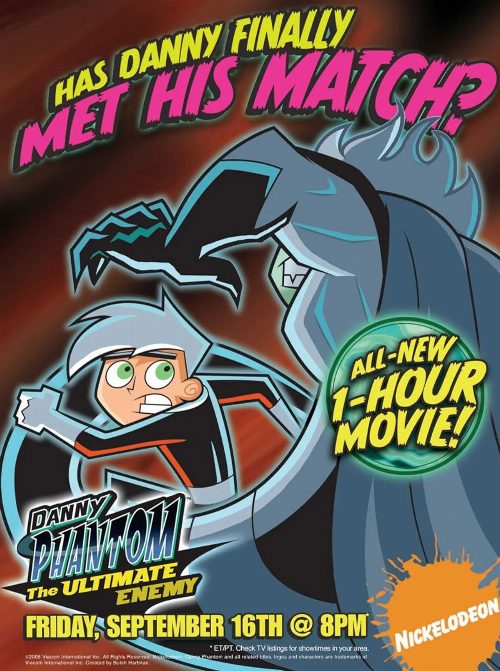
About Danny Phantom: The Ultimate Enemy
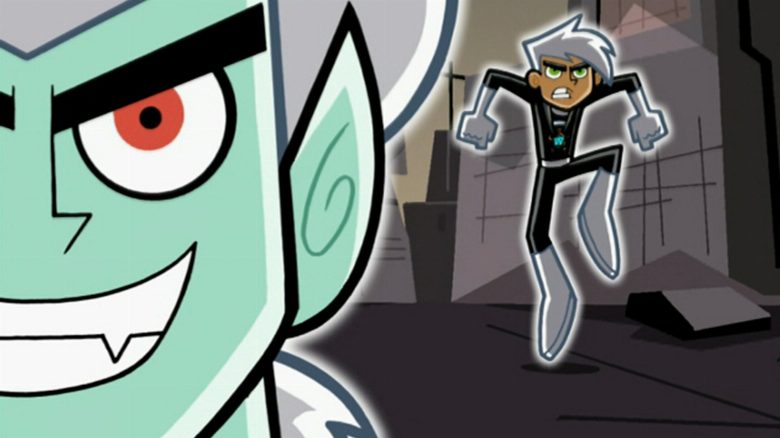
Danny and his friends get caught up in a time-traveling adventure. They are taken into a dark future, in which Amity Park is destroyed and the world's most powerful and evil ghost is Danny's own future self!
The prospect of confronting one's own worst impulses is a narrative trope that carries significant weight, yet few animated projects have explored this psychological dread with as much intensity as the 2005 special Danny Phantom The Ultimate Enemy. While the broader landscape of early millennium Western animation often leaned toward episodic hijinks, this feature-length installment pushed the boundaries of its genre by leaning into high-stakes science fiction and genuine horror elements. By thrusting its protagonist into a desolate, ruined version of his own hometown, the story effectively transitions from standard supernatural adventure to a somber meditation on legacy, accountability, and the fragility of morality. It serves as a stark reminder that even in stylized cartoons, the most formidable adversary is frequently the person staring back in the mirror.
For followers of genre storytelling, the project stands out due to its voice cast, which reads like a masterclass in character acting. The inclusion of heavyweights such as Ron Perlman, Eric Roberts, and David Carradine adds a layer of gravitas that elevates the material far beyond the usual saturday morning fare. This shift toward a more mature, cinematic tone mirrors a growing trend in global cinema where animation is increasingly treated as a medium for complex character studies rather than merely a vehicle for lighthearted entertainment. Whether one is a long-term devotee of the series or simply an admirer of dark, speculative fiction, the film offers a compelling look at how early 2000s creators experimented with serialized storytelling and long-term narrative consequences.
The narrative architecture here is particularly effective because it refuses to treat its younger audience as incapable of processing existential threats. By centering the conflict on a corrupted evolution of the hero, the film forces viewers to question how specific choices can radically alter the trajectory of a life. It is precisely this emotional core that keeps the production relevant nearly two decades later. Those who appreciate tight, character-driven scripts that prioritize internal stakes over mindless spectacle will likely find this outing a standout entry in the animation canon. It remains a definitive example of how to successfully raise the stakes of a television franchise, providing a blueprint for how to handle mature themes while maintaining the kinetic energy that audiences demand from the action genre.
Cast(9)









Similar Films