About Dark Angel
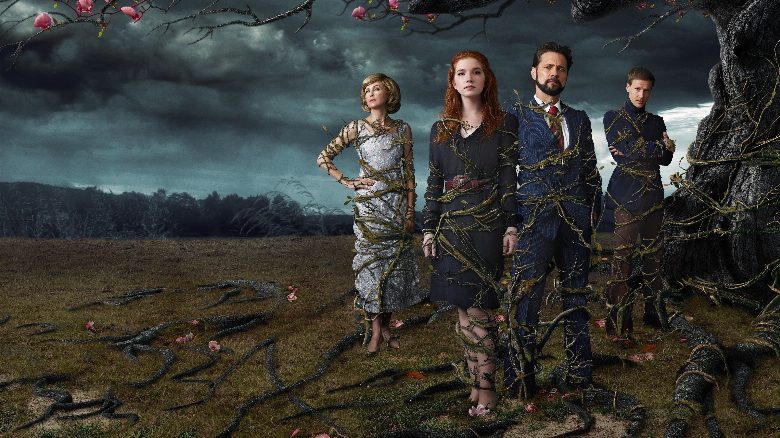
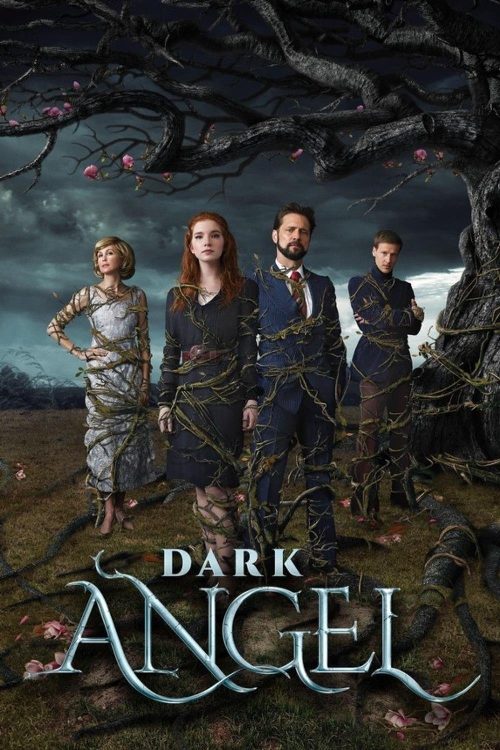
Based on the second book in the Casteel Series, Heaven has finally found the new life she always dreamed of with her newly discovered grandparents. Upon closer inspection, beauty and riches hide sinister secrets Heaven has tried desperately to rid herself of.
The allure of V.C. Andrews adaptations lies in their ability to blend gothic melodrama with the claustrophobic anxieties of high society. Dark Angel, which serves as the second installment in the V.C. Andrews Casteel series, continues the journey of its protagonist as she attempts to transition from a life of rural poverty to the opulence of her newfound family. While the film operates within the familiar framework of a television drama, it distinguishes itself by leaning heavily into the psychological unraveling of its lead character. The narrative shifts away from the survivalist themes of the previous chapter, opting instead to explore how wealth can act as a cage rather than a liberation. For viewers who enjoy the intersection of family trauma and period-adjacent aesthetic tension, this story offers a compelling look at the dark side of inherited legacy.
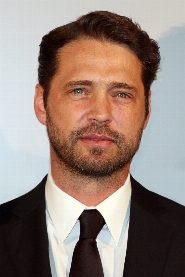
The film is anchored by a cast that brings a sense of gravity to its more scandalous plot beats, with Jason Priestley and Kelly Rutherford grounding the eccentricities of the Casteel lineage. Annalise Basso carries the weight of the film, portraying a young woman caught between the allure of her grandfather’s mansion and the haunting memories of her past. This production fits neatly into the current landscape of prestige cable and streaming dramas that prioritize character-driven mysteries over straightforward storytelling. It is particularly well-suited for audiences who appreciate gothic literature adaptations or those who find the dark secrets of affluent families to be an endlessly fascinating subject matter.
By prioritizing atmosphere and the slow reveal of hidden motives, the director keeps the tension high without relying solely on external conflict. Much like the regional cinema we track at thebiographys, where familial duty and generational secrets often drive the emotional stakes of a film, Dark Angel finds its power in the internal struggles of its characters. The film does not attempt to reinvent the genre but rather polishes the tropes that fans of the source material love most. Those who found themselves invested in the initial installment will likely appreciate how this chapter expands the scope of the family history while maintaining the signature tone that makes these stories so addictive. It stands as a testament to the enduring popularity of the Casteel saga, providing enough intrigue to keep viewers hooked on the shifting power dynamics within the household.
Cast(15)