About Deacons for Defense
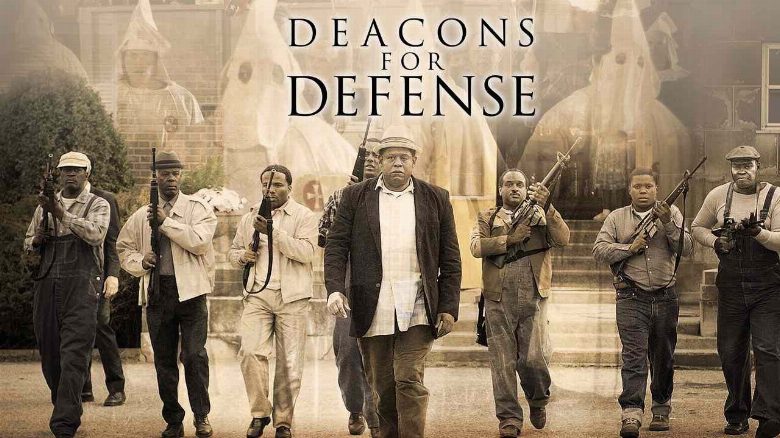
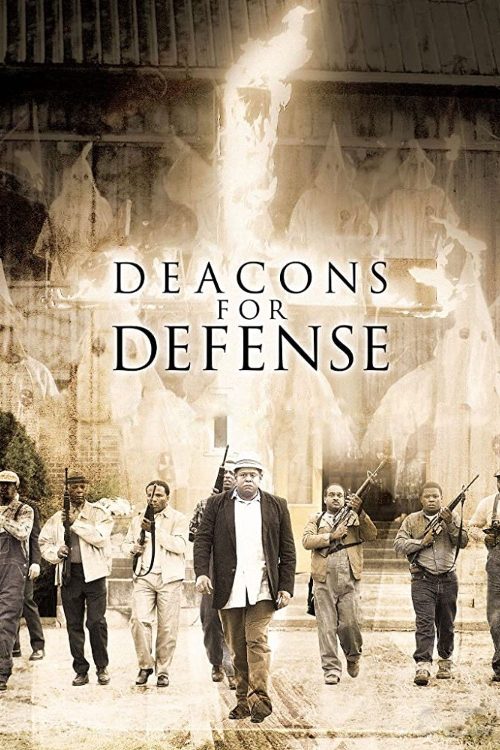
Inspired by a true story, this drama is set in 1965, not long after passage of the Civil Rights Act. Despite the Act, the African-American citizens of Bogalusa are still treated like third-class citizens, their fundamental rights as human beings persistently trampled by the white power structure, in general, and the local branch of the KKK. The story follows the formation of local black men, particularly ex-war veterans who after the struggles become too overbearing organizes the group, "Deacons for defense", an all-black defense group dedicated to patrolling the black section of town and protecting its residents from the more violent aspects of "white backlash."
Standing against the tide of systemic hostility in mid-sixties Louisiana, Deacons for Defense serves as a harrowing reminder of the necessity of self-preservation when institutional protections fail. This historical drama captures a pivotal moment in American history where the promise of federal legislation collided with the brutal reality of local prejudice. By focusing on the emergence of a grassroots protective militia composed of weary veterans, the film shifts the narrative focus from passive resistance to the active, physical defense of a community under siege. It stands apart from conventional civil rights dramas by confronting the uncomfortable reality that legal equality on paper rarely translated to safety on the streets, forcing ordinary citizens to take up arms to secure their own basic survival.
For audiences accustomed to the high-stakes emotional intensity often found in modern South Indian cinema, such as the period grit of recent Telugu or Tamil historical epics, this film offers a parallel in its exploration of collective resistance against an oppressive status quo. Just as many Indian films use regional landscapes to frame struggles against local power structures and entrenched hierarchies, this production utilizes the stifling atmosphere of Bogalusa to ground its message in a visceral, localized conflict. Forest Whitaker delivers a performance marked by simmering restraint, anchoring the narrative as a man forced to balance the desire for peace with the undeniable need to shield his neighbors from relentless intimidation. His presence transforms the material from a standard historical recreation into a profound character study about the moral burden of leadership during times of extreme social unrest.
This project is essential viewing for those interested in the complexities of civil rights history beyond the well-trodden paths of non-violent protest. It addresses a nuanced chapter of the American experience, highlighting the internal debates regarding how best to challenge a violent white supremacy that refused to yield to the law. While the film operates within the constraints of a television production, its thematic ambition remains significant, appealing to viewers who appreciate narratives that prioritize grit and social realism. It serves as a stark testament to the courage required to stand one's ground when the world turns a blind eye to injustice, making it a compelling entry for anyone seeking stories of resilience, community solidarity, and the long, difficult path toward genuine liberation.
Cast(17)