About Death Count
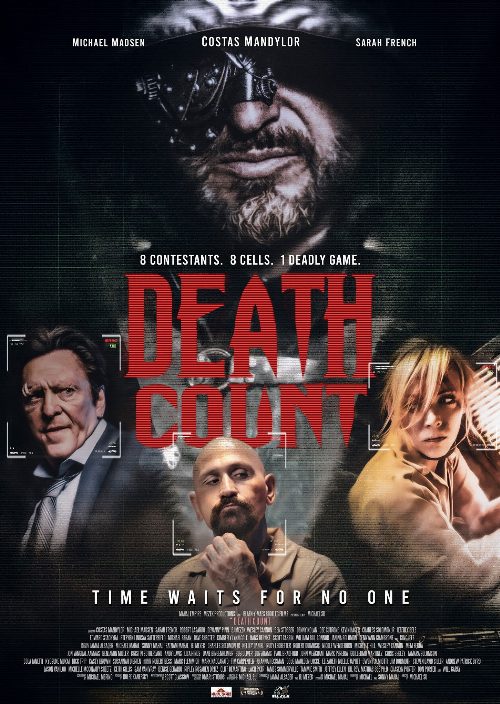
Strangers awaken in individual holding cells with no memory of how they arrived. They realize if they don't acquire enough online "likes" in a timely manner, they'll die horribly at the hands of a sinister executioner.
Modern horror cinema has long been fascinated by the intersection of social media validation and primal survival, a theme that finds a particularly grim manifestation in the 2022 film Death Count. Directed by Michael Su, this project taps into the collective anxiety surrounding our digital footprints, presenting a scenario where the currency of the internet becomes a literal matter of life and death. While many independent genre films rely on atmospheric dread, this narrative opts for a high-stakes premise that forces its ensemble cast to confront the toxicity of online approval ratings. By stripping away the comfort of anonymity and replacing it with the pressure of a ticking clock, the film positions itself as a cautionary tale for the influencer generation, albeit one wrapped in the familiar aesthetic of a survivalist nightmare.
The assembly of veteran character actors including Michael Madsen, Costas Mandylor, and Robert LaSardo brings a gritty, seasoned edge to the production that elevates it above standard low-budget fare. These performers are no strangers to intense, high-concept thrillers, and their inclusion suggests a deliberate effort to ground the story in a sense of menace and gravitas. For fans of the global horror landscape, including those who follow the experimental trends emerging from industries like the Malayalam or Hindi film sectors where psychological suspense is gaining significant traction, Death Count offers a recognizable structure of isolated captives forced into impossible choices. It functions as a cynical mirror held up to our obsession with metrics, inviting the audience to consider how far they would go to sustain their relevance in a world that thrives on constant engagement.
Viewers who enjoy claustrophobic settings and stories that weaponize modern technology against their protagonists will likely find this premise compelling. It avoids the broad strokes of supernatural horror, choosing instead to focus on the cruelty of human-driven systems and the manufactured urgency of digital fame. As the characters navigate their grim reality, the film challenges the viewer to remain detached from the voyeuristic nature of the situation. It is a bleak, relentless exploration of what happens when the pursuit of virtual affection turns predatory. For those seeking a tense viewing experience that lingers on the darker implications of our social media habits, the film provides a sharp, unsettling commentary disguised as a conventional slasher. It stands as a testament to the enduring appeal of the death game subgenre, proving that even in a saturated market, the fear of being forgotten remains one of the most potent motivators in storytelling.