
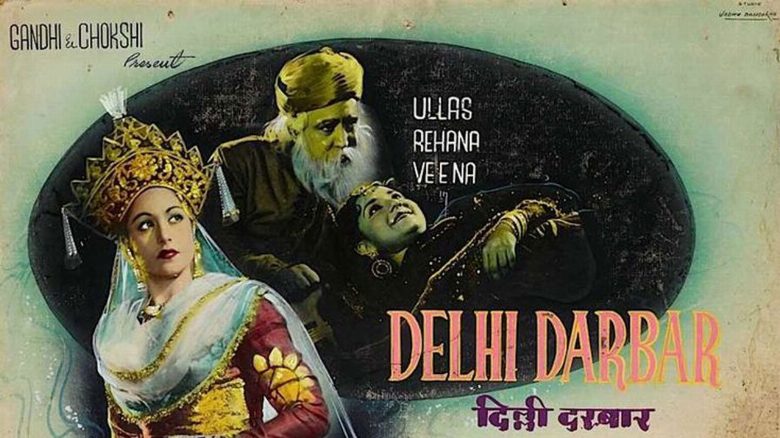
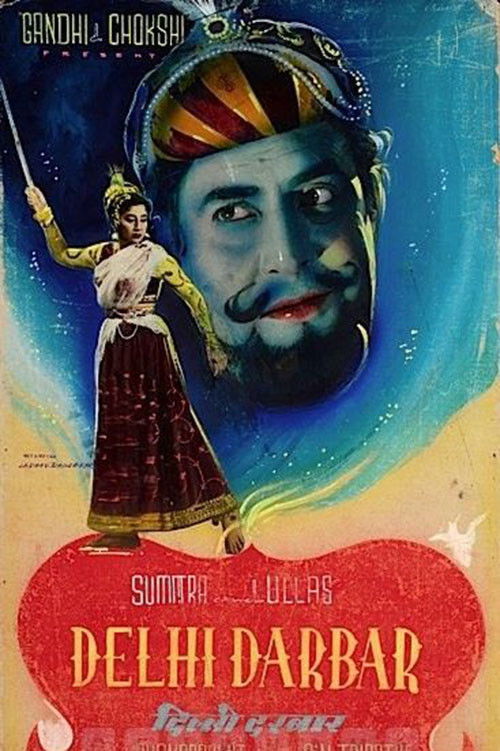
Delhi Durbar(1956)
About Delhi Durbar
1956 bollywood film
Stepping into the cinematic landscape of 1956 requires an appreciation for the golden era of Hindi filmmaking, a time when the industry was rapidly defining its voice in a newly independent nation. Delhi Durbar emerges as a fascinating artifact from this period, capturing the specific aesthetic sensibilities and dramatic flair that characterized mid-century Bollywood. While many films of this vintage often focused on sweeping social reform or lighthearted musical escapism, this production leans into a sophisticated narrative atmosphere that highlights the tensions and ambitions of its era. By bringing together a seasoned ensemble cast including D.K. Sapru, Veena, and the iconic Helen, the project functions as a bridge between the theatrical traditions of the past and the burgeoning polish of the studio system.
The strength of this film lies in its ability to balance character-driven drama with the grandiosity expected of a period piece. For modern viewers, it serves as a captivating window into the historical preoccupations of the fifties, offering a glimpse of how filmmakers interpreted power, social hierarchy, and human relationships during a transformative decade for India. The inclusion of actors like Prem Adib and Rehana ensures that the emotional stakes remain grounded, even when the plot navigates complex political or social undercurrents. It is precisely this blend of seasoned performance and period-appropriate storytelling that makes the work worth revisiting for those interested in the evolution of Hindi cinema.
Audiences who enjoy discovering the foundations of contemporary Indian film will find much to admire here. It is an ideal pick for those who appreciate the deliberate pacing and dialogue-heavy scripts that defined the mid-fifties, providing a stark contrast to the rapid-fire editing styles that dominate today. The film does not merely rely on its star power; it invites the audience to observe the intricate interplay between the cast, reflecting the meticulous attention to detail that directors of that time invested in every frame. Whether you are a student of film history or simply a fan of classic narratives, this piece stands as a testament to the versatility and ambition of an industry that was just beginning to establish its global footprint. By examining the choices made by the creators, one gains a clearer understanding of how the themes of authority and personal agency were navigated through the lens of traditional storytelling long before the modern era of commercial blockbusters took hold.



