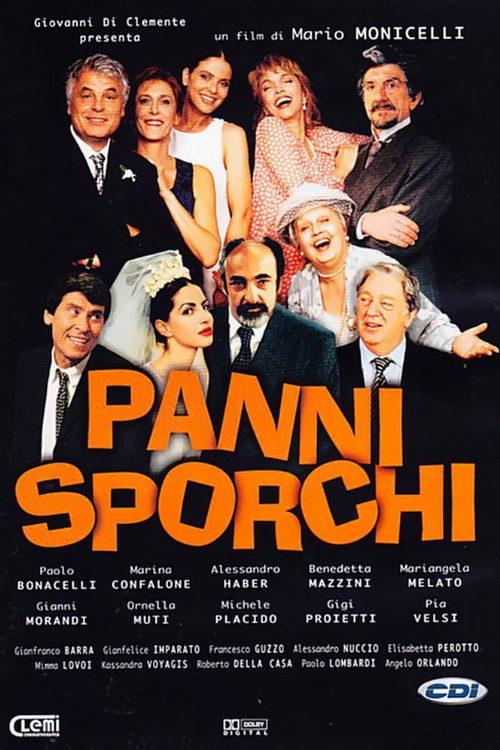
About Dirty Linen
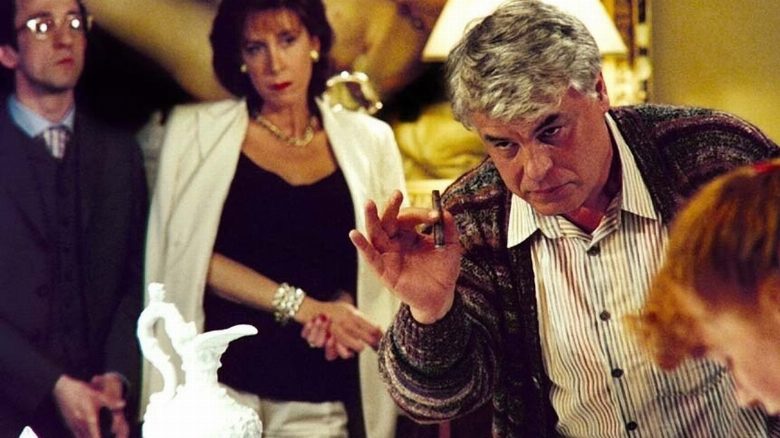
The Razzi family owns a small factory of sweets in Macerata. Their desire to enlarge their business to cope with the new Unified European Market brings to a string of fatal mistakes that will ultimately doom their wealth.
Navigating the tectonic shifts of a changing continent often demands a delicate balance between tradition and adaptation, a tension captured with surprising wit in the 1999 Italian comedy Dirty Linen. Set against the backdrop of a family-run confectionery business in Macerata, the narrative explores the chaotic transition into the unified European market. While audiences of Indian cinema are well-accustomed to narratives involving family enterprises and the cultural friction of modernization, this film offers a distinct Mediterranean perspective on the pitfalls of rapid expansion. It moves away from the grand emotional stakes of a typical Tollywood or Bollywood family drama to focus on the absurd, high-stakes blunders born from the desperate ambition to survive in a suddenly borderless economy.
The film stands out for its sharp focus on the internal mechanics of a small-scale enterprise, turning the mundane risks of business management into a series of comedic catastrophes. For viewers who appreciate the intricate ensemble comedies found in Malayalam or Tamil regional cinema, where characters are often defined by their specific local quirks and pride, the Razzi family will feel remarkably familiar yet charmingly distinct. Gianfelice Imparato and the rest of the cast lean into the irony of their situation, illustrating how a singular obsession with growth can blind even the most well-meaning entrepreneurs. It is a story about the fragility of legacy, reminding us that the pursuit of progress often necessitates a heavy toll on the very foundations that once provided security.
Dirty Linen is particularly resonant for those who enjoy character-driven humor that highlights the absurdity of human ego during times of systemic change. By grounding its comedy in the relatable anxiety of a family struggling to modernize, it avoids becoming a dry commentary on economics, opting instead for a vibrant exploration of human fallibility. Fans of European cinema looking for a lighthearted yet insightful look at how globalization impacts the domestic sphere will find this a compelling watch. It avoids the heavy-handed moralizing often found in social dramas, instead favoring a satirical approach that invites the audience to laugh at the cascading errors of the Razzi clan. For those who track the history of character-based comedy, this film serves as an interesting artifact of late nineties European sentiment, capturing a moment where the promise of a new economic era felt both exhilarating and terrifyingly unpredictable.
Cast(45)